14-Day Colombia Itinerary: Bogotá, Medellín, Cartagena & Amazon
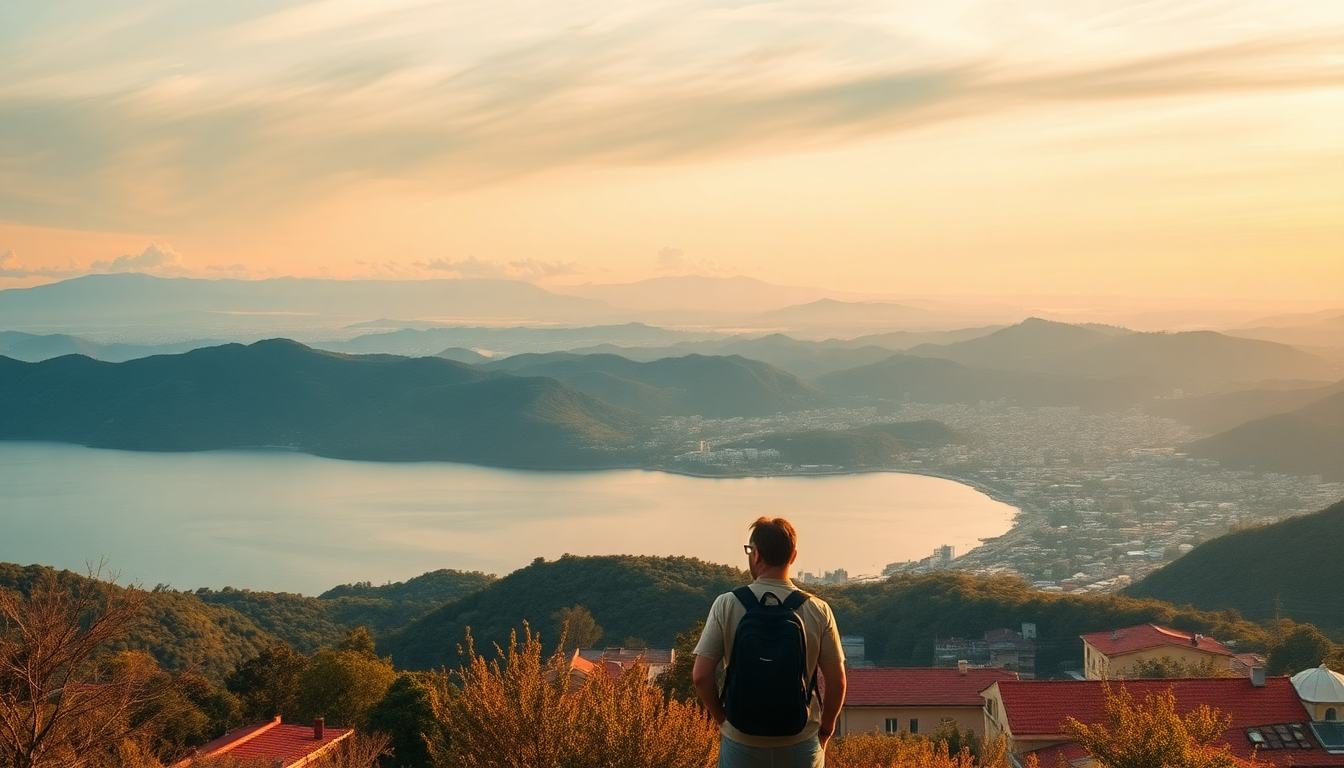
I spent two weeks bouncing between Bogotá’s high-altitude chaos, Medellín’s eternal spring, Cartagena’s sticky heat, and the Amazon’s humidity. That’s four climates and four distinct Colombias in fourteen days. It’s doable without feeling like a forced march if you fly between cities and keep each stop to three or four nights. Here’s the exact route I took, with the places that worked and the ones I’d skip.
Is two weeks enough for Bogotá, Medellín, Cartagena, and the Amazon?
Yes, but only if you fly. Driving between these cities eats days you don’t have. I used Avianca and LATAM for all legs—Bogotá to Medellín (one hour), Medellín to Cartagena (one hour twenty), Cartagena to Leticia (a two-hour connection through Bogotá). The Amazon leg is the trickiest because Leticia only has direct flights from Bogotá, so I built a layover day there.
I structured the trip as 4 nights Bogotá, 3 nights Medellín, 4 nights Cartagena, 3 nights Leticia. That gave me a full day for travel between each city without cutting into sightseeing. If you’re short on time, drop the Amazon—it’s the most logistically demanding stop.
What should I do in Bogotá beyond the usual tourist spots?
I landed at El Dorado Airport and took a taxi to La Candelaria, the colonial neighborhood where most hostels and budget hotels cluster. I stayed at Casa de la Vega, a small guesthouse on Calle 12—great location for walking, but the street can get loud at night.
Start with the Museo del Oro on Carrera 6. The goldwork is stunning, and the upper floors have English captions. Skip the Monserrate cable car on weekends unless you enjoy two-hour queues—I went on a Tuesday morning and had the view almost to myself. For lunch, La Puerta de la Catedral on Calle 11 serves a solid ajiaco (the local chicken and potato soup) for under 15,000 COP.
The Botero Museum on Calle 11 is free and worth an hour. I also did a street food tour with Bogotá Food Tours—they took me to Plaza de Mercado La Concordia for fresh fruit juices and arepas. Avoid the Plaza de Bolívar at night; it’s sketchy after dark.
How do I handle Medellín’s neighborhoods and transport?
Medellín is a city of valleys and hills. The Metro system is clean, safe, and cheap—I bought a Cívica card at the San Javier station for 5,000 COP and topped it up as needed. The Metrocable lines (especially Line K to Santo Domingo) give you a bird’s-eye view of the comunas and are an attraction in themselves.
I stayed in El Poblado, specifically at Hotel Marqués on Carrera 35. It’s a mid-range option with a pool and decent breakfast, but the neighborhood is full of bars and restaurants—great for evenings, a bit loud for early sleepers. For a quieter vibe, try Laureles; I had dinner at Mondongo’s in Laureles and the bandeja paisa was enormous and satisfying.
Comuna 13 is the main draw. I took a graffiti tour with Zippy Tour—they’re local guides who explain the history of the neighborhood’s transformation. The escalators are free, and the street art is genuinely impressive. Skip the Pablo Escobar tour; it’s exploitative and the money doesn’t stay in the community.
Is Cartagena worth the hype, or is it a tourist trap?
Cartagena is both. The Walled City (Centro Histórico) is beautiful—cobblestones, bougainvillea, pastel colonial buildings—but it’s a stage set for tourists. I stayed at Hotel Boutique Casa del Arzobispado on Calle del Arzobispo, a quiet spot with a rooftop terrace overlooking the cathedral. The price was high ($120/night), but the location was worth it for early-morning walks before the crowds.
The Getsemaní neighborhood, just outside the walls, feels more real. I ate at La Cevichería on Calle del Guerrero—the ceviche mixto was fresh and acidic, exactly what you want in 32°C heat. Avoid the Bocagrande area; it’s a strip of chain hotels and fast-food joints.
The Castillo de San Felipe is a solid half-day trip. Climb the ramparts for views of the bay, but go early (opens 8 AM) to beat the heat. For beaches, take a boat to Islas del Rosario—the water is clearer than Cartagena’s murky bay. I used Aviatur for a day trip that included lunch and snorkeling. The beach at Playa Blanca is overcrowded on weekends; skip it.
How do I get to the Amazon from Cartagena, and what do I do there?
This is the leg that requires planning. I flew from Cartagena to Bogotá (Avianca, 6 AM flight), then caught a 10 AM LATAM connection to Leticia. The total travel time was about six hours including the layover. Leticia’s airport is tiny—you walk off the plane onto the tarmac.
I stayed at Amazon Bed & Breakfast on Calle 8—basic but clean, with mosquito nets and a fan. The owner, a Colombian expat named María, arranged my jungle tours. I did two days: a day trip to Monkey Island (Isla de los Micos) where you can feed squirrel monkeys, and an overnight stay at a jungle lodge called Calanoa up the Amazon River. The lodge has no electricity after 10 PM, which sounds romantic until you realize the insects are relentless.
Bring DEET repellent and long pants. I didn’t, and I paid for it with bites that itched for a week. The Amazon River boat ride is the highlight—pink dolphins surface near the boat, and the silence in the flooded forest is eerie and beautiful.
What’s the best way to get between Bogotá, Medellín, and Cartagena?
Fly. Domestic flights in Colombia are cheap and frequent if you book a few weeks ahead. I used Avianca for Bogotá–Medellín (around $50 one-way) and LATAM for Medellín–Cartagena ($45). Viva Air and Wingo are even cheaper but charge for carry-on bags and often have delays.
Buses are an option if you’re on a tight budget—Bogotá to Medellín takes 9–10 hours on Expreso Brasilia for about $20—but you lose a full day. For Cartagena to Leticia, there’s no bus; you have to fly.
For airport transfers, I used EasyTaxi in Bogotá and Medellín (app-based, fixed rates) and negotiated cash fares in Cartagena. The Milla de Oro area in Medellín has a reliable taxi stand near the metro station.
When is the best time to visit Colombia for this itinerary?
Colombia’s climate varies by region, so there’s no perfect month. I went in January (dry season in the Andes, wet in the Amazon). Bogotá was cool (15–20°C) with afternoon rain, Medellín was spring-like (22°C), Cartagena was hot and humid (32°C), and Leticia had daily downpours.
The dry season for the Amazon is December–March, but the river is lower, which means easier wildlife spotting. For Cartagena, avoid October and November when it rains heavily. For Bogotá and Medellín, any month works—they’re mild year-round. The December–January holiday period is busiest and most expensive; book hotels months ahead.
FAQ
How much does a 14-day Colombia trip cost? I spent about $1,800 total, including flights, accommodation, food, tours, and transport. Mid-range hotels ran $50–80/night, meals $5–15, domestic flights $40–60 each. Budget travelers can do it for $1,200 by staying in hostels and eating street food.
Is it safe to travel solo in Colombia? Yes, with common sense. I traveled solo as a woman and felt safe in Bogotá’s La Candelaria during the day, Medellín’s El Poblado, and Cartagena’s Walled City. Avoid walking alone at night in unfamiliar neighborhoods, keep valuables hidden, and use official taxis or ride apps. The Amazon near Leticia is safe—the main risk is mosquito-borne illness, not crime.
Do I need a visa for Colombia? Citizens of the US, Canada, UK, and most EU countries get 90 days on arrival. You just need a passport valid for at least six months. The immigration officer in Bogotá asked for my return flight and hotel booking—have those handy.
Conclusion
- Fly between cities to save time; buses are cheap but eat daylight hours.
- Book domestic flights at least three weeks ahead for the best prices.
- Pack for four climates—layers for Bogotá, shorts for Cartagena, rain gear for Leticia.
- Skip the Pablo Escobar tours in Medellín; the Comuna 13 graffiti tour is a better use of time and money.
- The Amazon is worth the hassle if you have three full days to spare—otherwise, stick to the cities.