7 Days in Colombia: Bogotá, Medellín & Cartagena Itinerary
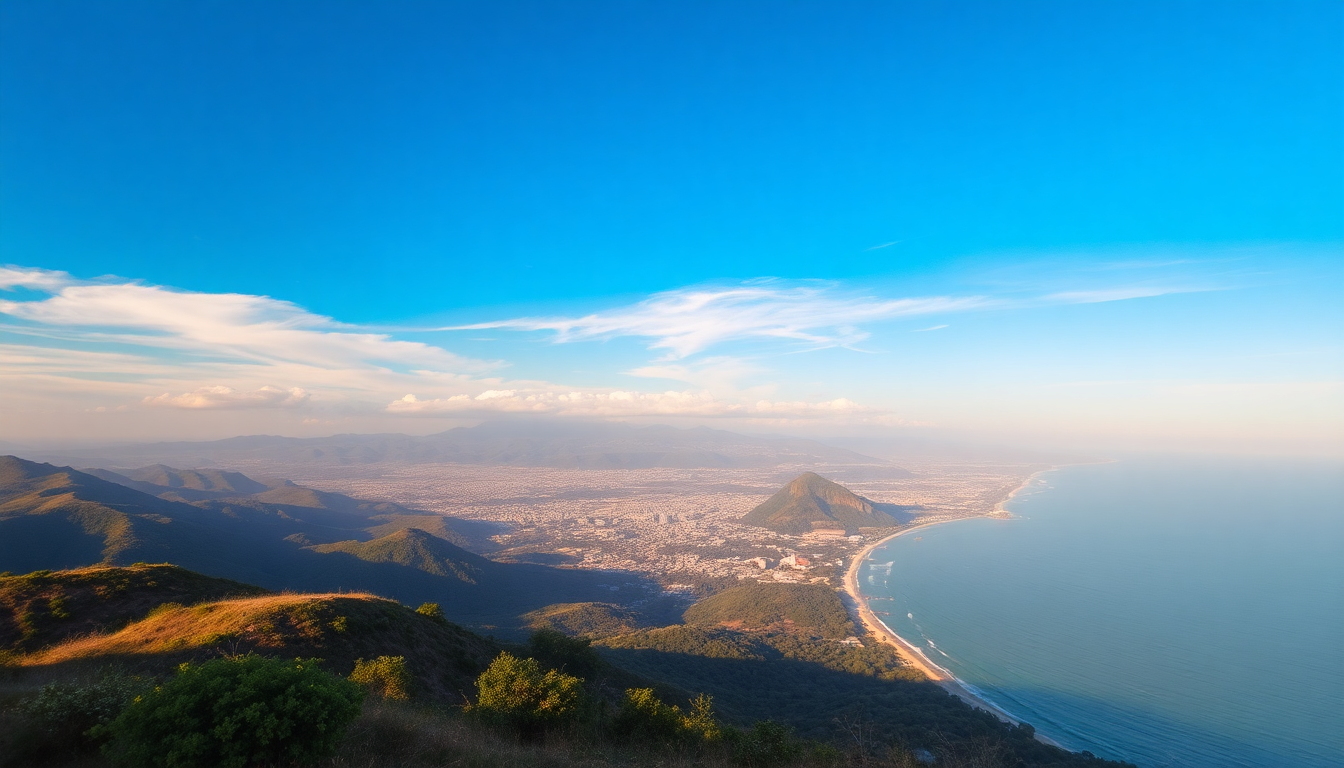
I landed in Bogotá with no Spanish and a backpack that barely fit in the overhead bin. Seven days later, I’d eaten ants in the Andes, danced salsa in a converted convent, and sweated through every shirt I packed on the Caribbean coast. Here’s exactly how to do it—without the tours that waste your time or the restaurants that overcharge.
Why visit Bogotá first?
Bogotá sits at 2,600 meters. If you fly straight to the coast, you’ll skip altitude acclimation and miss Colombia’s best museums and street food. We started here for two nights to get our bearings.
- La Candelaria is the historic core. Cobblestone streets, graffiti-covered walls, and the Museo Botero (free entry) with his fat versions of Mona Lisa.
- Monserrate is the mountain overlooking the city. Take the cable car up at 4 PM for golden hour views. Skip the overpriced restaurant at the top—eat a tamale from a street cart instead.
- Palacio de la Policia area felt safe during the day, but we avoided walking alone after dark in the quieter side streets of Candelaria.
- We ate at La Puerta de la Catedral for ajiaco (the chicken and potato soup that’s essentially Bogotá in a bowl). It’s touristy, but the soup is legit.
- Stayed at Hotel de la Opera — a converted colonial mansion two blocks from the main square. Thin walls but incredible rooftop.
How do you get from Bogotá to Medellín?
Fly. The bus takes 12 hours on winding mountain roads. We booked a 50-minute flight with Avianca for $55. The airport in Bogotá (El Dorado) is chaotic—arrive 90 minutes early even for domestic.
Once in Medellín, the Metro system is your best friend. Clean, cheap, and connects the airport bus terminal (at El Poblado station) to everywhere you need.
What’s the best way to see Medellín in two days?
Medellín surprised me. The city is green, the people are warm, and the transformation from its violent past is visible in every new metro line and public library.
- Comuna 13 is the neighborhood famous for street art and the outdoor escalators. We took a Zippy Tour (small group, $25 per person) led by a local who grew up there. He pointed out bullet holes still in the walls and explained the graffiti meaning. Don’t go solo—it’s safe now but the context matters.
- El Poblado is the gringo hub. We stayed at The Black Sheep Hostel (private room, $40/night) for the rooftop pool and coworking space. Overpriced for Medellín but convenient.
- Mercado del Río is a food hall with 20+ vendors. Try the arepas at Arepas de la 70 and the ceviche at La Cevichería.
- Parque Arví is a nature reserve accessible by the Metrocable (line L). The cable car ride over the hills is worth the trip alone. Pack a picnic—there’s a market on weekends with fresh fruit and honey.
- For dinner, El Cielo is the fancy molecular gastronomy spot. We skipped it due to the $80 tasting menu and ate at Mondongo’s instead—hearty tripe soup and grilled chorizo for $12 total.
Is it worth visiting Guatapé from Medellín?
Yes, but only if you go early. Guatapé is the town with the giant monolith (Piedra del Peñol) and colorful zócalos. We booked a day trip through a local operator that left at 6 AM from El Poblado. By 9 AM we were climbing the 740 steps to the top of the rock. The view of the artificial lake and scattered islands is stunning.
- The climb is steep but doable in 20 minutes. Bring water—vendors at the top charge triple.
- The town itself is small. Walk the main square, take photos of the painted houses on Calle del Recuerdo, and eat a bandeja paisa at Restaurante El Cielo (not related to the Medellín one).
- Back in Medellín by 4 PM. Don’t stay overnight unless you want to kayak on the lake.
How do you get from Medellín to Cartagena?
Another short flight. Viva Air and Wingo both operate the route for around $60. The Medellín airport (José María Córdova) is an hour outside the city. We took a taxi for $25, but the bus from El Poblado costs $5 and takes the same time.
Cartagena hits you with heat and humidity the second you step off the plane. Pack light cotton clothes and a hat.
What should you do in Cartagena in two days?
Cartagena is beautiful, but it’s also the most tourist-trappy city in Colombia. The walled city (Centro Histórico) is packed with overpriced restaurants and vendors trying to sell you hats. Enjoy it for the architecture, then escape to the neighborhoods where locals actually live.
- Getsemaní is the real Cartagena. Streets full of street art, salsa music from doorways, and $2 empanadas from La Esquina del Pan. We stayed at Casa de Lola — a boutique hotel with a tiny pool and a rooftop bar that overlooks the Iglesia de la Trinidad.
- Castillo de San Felipe is the fortress that defended the city from pirates. It’s worth the 30-minute walk from the walled city. Go early (8 AM) to beat the heat and the cruise ship crowds.
- Islas del Rosario is the typical day trip. We booked a boat tour that included snorkeling and lunch on a private beach. The water is clear, but the coral is mostly dead. Skip the aquarium stop—it’s sad and small.
- For dinner, La Cevichería on the walled city’s Calle del Sargento serves the best ceviche I had in Colombia. The mixed ceviche with coconut rice is $14.
- Avoid the horse-drawn carriages. The horses look miserable in the heat, and the drivers overcharge.
FAQ
Is Colombia safe for solo travelers? Yes, with normal street smarts. We never felt unsafe in the tourist areas of Bogotá, Medellín, or Cartagena. Don’t flash expensive cameras at night, avoid walking alone in empty streets after 10 PM, and use Uber or official taxis instead of hailing cabs off the street. The biggest risk is petty theft—keep your phone in your front pocket or a zipped bag.
Do I need to speak Spanish? It helps but isn’t necessary. In Bogotá and Medellín, younger people often speak some English. In Cartagena, most hotel and restaurant staff speak enough to communicate. Learn a few phrases: “la cuenta, por favor” (the bill, please) and “¿dónde está el baño?” (where is the bathroom?). I got by with Google Translate and hand gestures.
What’s the best time of year to visit Colombia? December to March is the dry season across all three cities. We went in February and had zero rain in Bogotá, sunny skies in Medellín, and blazing heat in Cartagena. Avoid April and May if you can—those are the rainiest months, especially in Bogotá.
Conclusion
- Fly between cities. Buses take too long and the flights are cheap.
- Spend two nights in each city. Three cities in seven days is tight but doable.
- Book Comuna 13 tours through a local operator, not a big agency.
- Eat street food in Bogotá, arepas in Medellín, and ceviche in Cartagena.
- Pack layers for Bogotá (cold), light clothes for Cartagena (hot), and everything in between for Medellín.