Best Beaches in Colombia: Caribbean and Pacific Guide
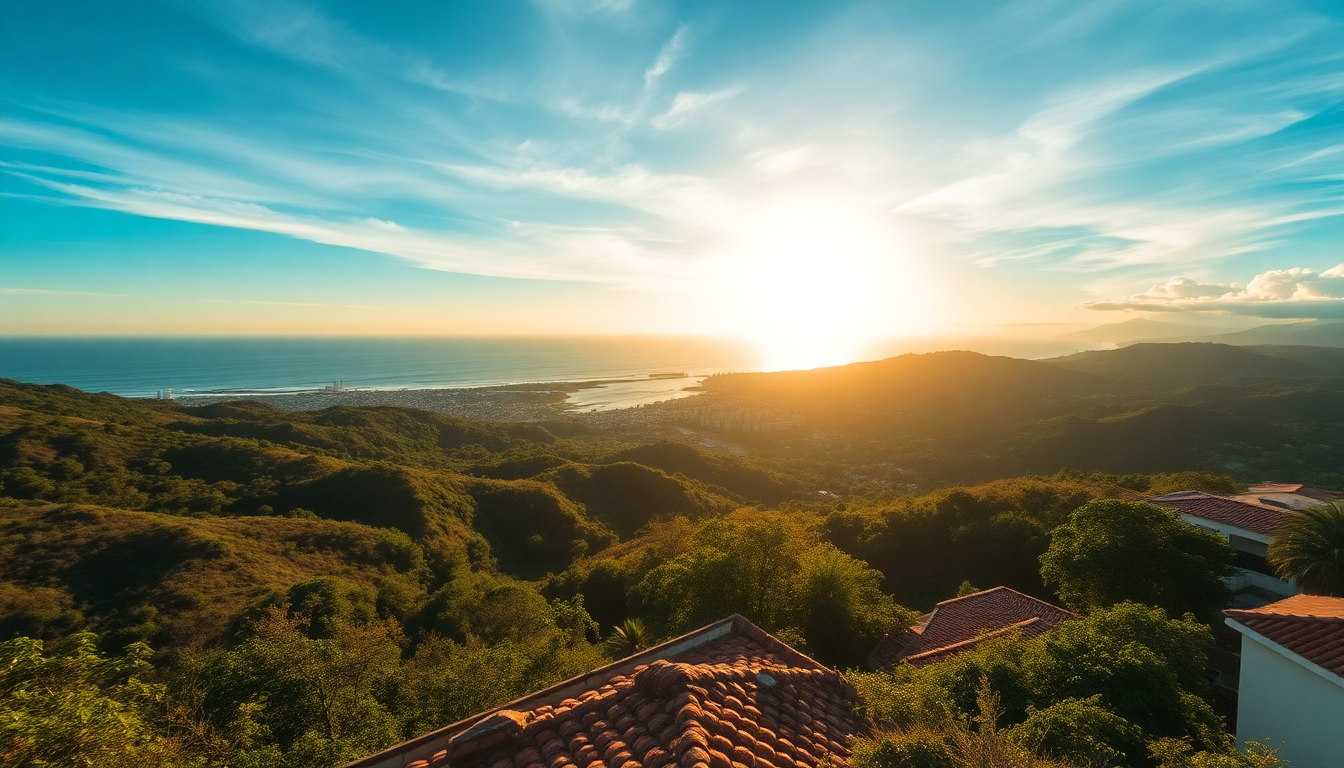
I spent three weeks hopping between Colombia’s Caribbean coast and the Pacific side, and I’ll be straight with you: not every beach here is a postcard. Some are packed with hawkers, others have rip currents that’ll ruin your day. But the good ones—the ones I’d go back to—are worth the plane ticket. Here’s what I found.
What are the best beaches near Cartagena without the crowds?
Cartagena’s city beaches (Bocagrande, Castillogrande) are fine for a quick dip but nothing special. The real gems are a boat ride away. I booked a morning trip to Islas del Rosario through a local operator near the Clock Tower, and while it’s touristy, the water clarity at Playa Blanca surprised me—crystal calm and shallow for 50 meters out. Go early (before 10 a.m.) to avoid the lunchtime chaos.
For a quieter alternative, I took a 45-minute bus to Playa de la Boquilla just north of the city. It’s a working fishing village beach with dark sand and gentle waves. No resorts, just plastic chairs under palm roofs and women selling fried fish with coconut rice. I ate at Doña Luz’s stall—a whole red snapper for 25,000 COP. Bring cash; no ATMs nearby.
- Islas del Rosario — best for snorkeling and day trips from Cartagena
- Playa Blanca — postcard water but packed by noon
- Playa de la Boquilla — local vibe, great ceviche, no crowds
- Bocagrande — convenient city beach, strong currents, skip for swimming
Which Santa Marta beaches are worth the trip?
Santa Marta itself has a gritty urban beach, Playa de los Novios, which I’d only use as a last resort. Head east instead. Playa Rodadero gets all the hype, but it’s a carnival of jet skis and vendors. I preferred Playa Cristal inside Parque Nacional Natural Tayrona—a 30-minute hike from the park entrance. The water is absurdly clear, and there’s a coral reef just offshore. Entry to Tayrona costs about 60,000 COP, and you need to book a slot online in advance during high season.
If you want something totally laid-back, I spent an afternoon at Playa Mendihuaca, a 20-minute moto-taxi ride south of Santa Marta. It’s a surf beach with strong waves, but the Mendihuaca Hostel rents hammocks for 10,000 COP and serves a mean passionfruit lemonade. No electricity after 6 p.m., so charge your phone before.
- Playa Cristal (Tayrona) — clearest water in the region, requires park entry
- Playa Mendihuaca — surf spot, rustic, good for sunset
- Playa Rodadero — family-friendly but noisy; skip if you want peace
- Playa de los Novios — city beach, only good for a quick walk
What’s the deal with San Andrés beaches?
San Andrés is a different beast—Colombian territory but Caribbean in soul. The whole island is ringed by a coral reef, so almost every beach has calm, bath-warm water. I based myself at Hotel Casablanca on Playa Spratt Bight in the main strip. The beach is wide, powdery white, and lined with coconut vendors. It’s touristy, but the swimming is effortless.
For something quieter, I rented a golf cart (about 200,000 COP for the day) and drove to Playa de San Luis on the east side. It’s windier, with fewer people and a few beachfront restaurants like Restaurante Donde Francesca—they do a grilled lobster with garlic butter that I still dream about. Avoid Playa de los Almendros if you want to swim; the current there is deceptively strong.
- Playa Spratt Bight — best for convenience, swimming, and sunset walks
- Playa de San Luis — quieter, windier, excellent seafood
- Rocky Cay — tiny islet reachable by swimming, good for snorkeling
- Playa de los Almendros — pretty but dangerous currents; skip the swim
Are there any good Pacific coast beaches in Colombia?
Most travelers skip the Pacific, but I made a detour to Nuquí on the Chocó coast, and it was a highlight. The sand is dark volcanic gray, and the water is cooler than the Caribbean, but the jungle backdrop is unreal. I stayed at Ecohotel El Cantil, which is basic but has direct beach access. From July to October, you can watch humpback whales breaching from the shore—no boat needed.
The catch: Nuquí is remote. I flew from Medellín to Nuquí on Satena Airlines (about 400,000 COP round trip). Roads are nearly nonexistent, so plan for at least three nights. The beach itself, Playa Guachalito, has consistent waves good for body surfing, but there’s no shade beyond the palm line. Bring reef-safe sunscreen and a rash guard.
- Playa Guachalito (Nuquí) — whale-watching, dark sand, remote
- Playa Terquito — calm cove near Nuquí, great for kayaking
- Playa Juan de Dios — surf spot, beginner-friendly waves in the morning
When is the best time to visit Colombia’s beaches?
Timing matters more here than you’d think. The Caribbean coast (Cartagena, Santa Marta, San Andrés) has a dry season from December to April. I went in late January and had blue skies every day, but the beaches were crowded. If you want fewer people, try May or June—it’s the start of the rainy season, but showers usually last an hour in the afternoon and the water stays warm.
The Pacific coast (Nuquí) is a different story. It rains heavily from May to November, but that’s also when the whales are there. I visited in August and got rained on every afternoon, but the morning sun was perfect. December to March is drier but fewer whales. Pick your trade-off.
- December–April — Caribbean dry season, peak crowds, best for sunbathing
- May–June — shoulder season, fewer tourists, brief afternoon rain
- July–October — Pacific whale season, heavy rain but incredible wildlife
- November — transition month, unpredictable weather, good deals on hotels
How do I get around between these beach destinations?
Flying is the only sane option for long distances. I took a Viva Air flight from Cartagena to San Andrés (1.5 hours, about 250,000 COP one way) and another from San Andrés to Medellín to connect to Nuquí. Buses work for the Caribbean coast: Copetran runs comfortable coaches from Cartagena to Santa Marta (4 hours, 45,000 COP). Inside Santa Marta, I used Uber for trips to Rodadero (about 20,000 COP) and local buses to Tayrona (8,000 COP).
For San Andrés, rent a golf cart or scooter. I paid 180,000 COP for a day with a golf cart from Rent-a-Car San Andrés near Spratt Bight. Gas is included. For Nuquí, you’ll walk or take a boat between beaches—no cars on the main strip.
- Cartagena to Santa Marta — 4-hour bus with Copetran
- Cartagena to San Andrés — 1.5-hour flight, book early for deals
- San Andrés transport — golf cart or scooter rental
- Nuquí transport — walking and boat transfers
FAQ
Is it safe to swim at all Colombian beaches? No. The Caribbean side has strong rip currents at beaches like Bocagrande in Cartagena and Playa de los Almendros in San Andrés. Always check with locals before swimming. In Tayrona, lifeguards are present at Playa Cristal, but they’re rare elsewhere. The Pacific beaches (Nuquí) have consistent waves but no dangerous undertow near the shore.
Do I need to book Tayrona park entry in advance? Yes, especially from December to March and during Semana Santa. I booked my slot through the official Parques Nacionales website three weeks ahead. Without a reservation, you’ll be turned away at the gate. Entry costs 60,000 COP for foreigners.
What should I pack for Colombia’s beaches? Reef-safe sunscreen (sold at Exito supermarkets in Cartagena and Santa Marta for about 40,000 COP), a rash guard, and water shoes for rocky coves like Rocky Cay in San Andrés. On the Pacific side, bring a rain jacket and insect repellent with DEET—the mosquitoes in Nuquí are relentless after sunset.
Conclusion
- Cartagena: skip city beaches, hit Islas del Rosario or Playa de la Boquilla for real swimming
- Santa Marta: Tayrona’s Playa Cristal is non-negotiable; Playa Mendihuaca for surf vibes
- San Andrés: Spratt Bight for convenience, San Luis for solitude, rent a golf cart
- Pacific coast: Nuquí for whales and jungle, but only if you have three days to spare
- Timing: December–April for Caribbean sun, July–October for Pacific whales