Where to Stay in Bogotá: Best Neighborhoods for Every Budget
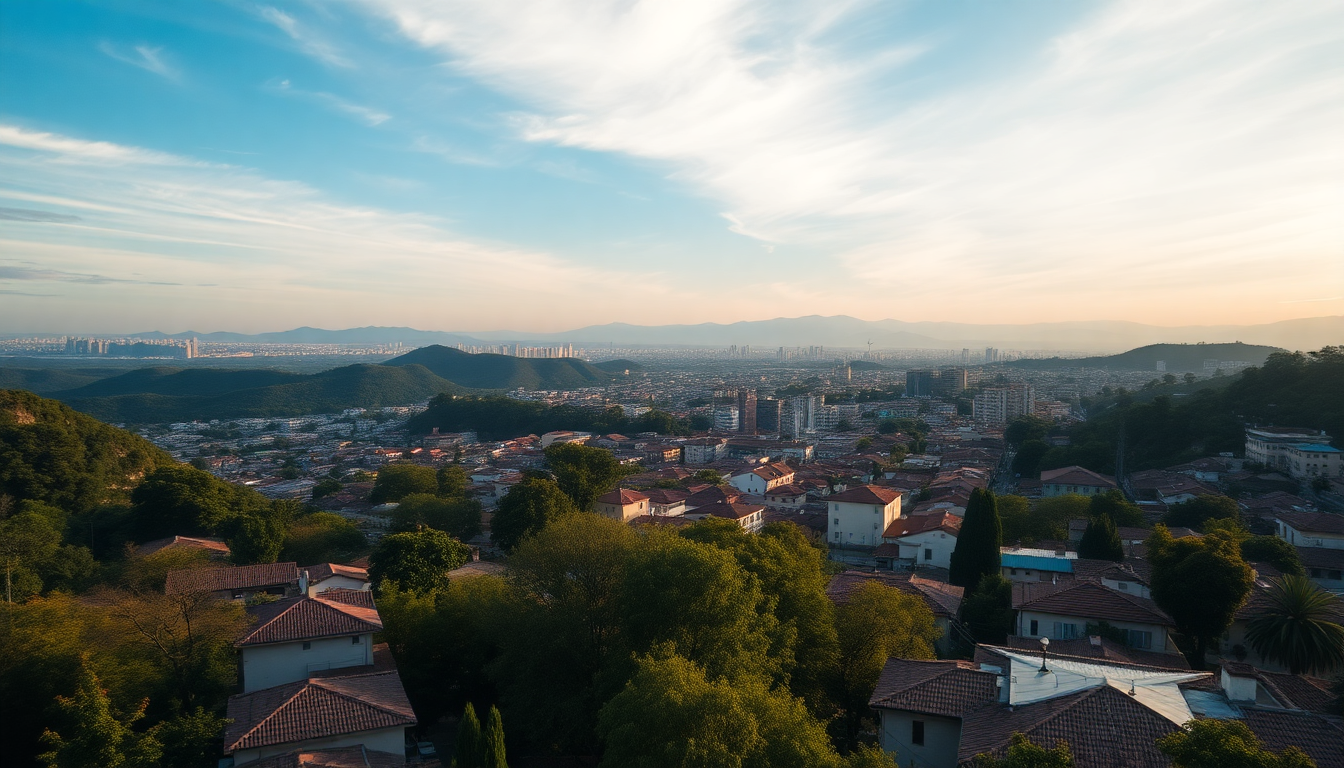
I’ve spent six weeks in Bogotá over three trips, bouncing between hostels, mid-range hotels, and a friend’s apartment in Chapinero. The city is sprawled across a high-altitude plateau, and picking the wrong neighborhood can mean an hour of traffic just to get a decent coffee. Here’s what I learned about where to sleep, eat, and explore without wasting time or money.
Which neighborhood is best for first-time visitors on a mid-range budget?
Chapinero is the sweet spot. It’s central, walkable in parts, and packed with good restaurants and bars without the tourist markup of the historic center. I stayed at Hotel B3 Virrey on Calle 87, a solid four-star with a rooftop terrace that overlooks the Parque El Virrey strip. Rooms are clean, staff speak English, and the breakfast buffet includes arepas and fresh juice. From there, I walked to Zona T for dinner at Harry Sasson (try the grilled octopus) and hit Armando Records for live salsa on a Thursday night.
- Parque 93 is a small, manicured park ringed by upscale restaurants. Mercado de la 93 is great for a quick lunch—ceviche and craft beer.
- Zona Rosa (Calle 82 area) is nightlife central. Loud on weekends but fine if you’re out late.
- Avoid streets west of Carrera 7 after dark; they get sketchy fast.
Is La Candelaria worth it for budget travelers?
Yes, but only if you know what you’re signing up for. La Candelaria is Bogotá’s colonial core—cobblestone streets, graffiti art, hostels, and cheap eats. I stayed at Cranky Croc Hostel for $12 a night. It’s loud, the beds are creaky, and the hot water runs out by 8 AM. But you’re a five-minute walk from Museo del Oro and Plaza de Bolívar. For food, hit La Puerta de la Candelaria for ajiaco soup ($5) and La Pita for falafel wraps.
- Safety note: Don’t walk alone east of Carrera 1 or north of Calle 12 after 9 PM. Stick to main streets.
- Best for: solo backpackers, history nerds, and anyone on a $30/day budget.
- Skip it if: you need quiet sleep or want modern amenities.
Where should families or couples stay for comfort and safety?
Usaquén, in the north, is my top pick for a relaxed, upscale stay. The neighborhood centers on a cobblestone plaza with a Sunday flea market, artisan stalls, and street musicians. I booked an apartment on Calle 119 through Airbnb for $70/night—spacious, quiet, with a full kitchen. For hotels, Hotel Boutique Casa De Las Flores is a converted mansion with a garden courtyard. Breakfast is included, and the owner arranged a private driver to Monserrate for $20 round-trip.
- Usaquén Sunday Market runs 8 AM–4 PM. Buy coffee beans from Café Devoción and empanadas from a stall near the church.
- La Bicicleta on Carrera 6 serves wood-fired pizzas and craft beer. Kid-friendly before 8 PM.
- Transit: take the TransMilenio from Usaquén Station to downtown in 30 minutes. Avoid peak hours (7–9 AM, 5–7 PM).
What about luxury travelers? Which neighborhood has the best high-end hotels?
The financial district along Calle 100 and Carrera 15 is where you’ll find Bogotá’s top-tier hotels. I spent two nights at Four Seasons Casa Medina—a restored 1940s mansion with a fireplace in the lobby and a spa that does excellent coffee scrubs. Rooms start around $250/night. The service is flawless, and the restaurant Castellana serves a tasting menu of Colombian ingredients (try the cacao-crusted venison).
- Hotel Click Clack is a boutique option with a rooftop pool and a speakeasy bar. Rooms from $150.
- Zona G (Gourmet Zone) is a ten-minute taxi ride away. Book at Leo for a tasting menu that reimagines Amazonian ingredients.
- Drawback: this area is dead on weekends. You’ll need Ubers to get to nightlife.
How do I get around Bogotá without a car?
TransMilenio is the bus rapid transit system. It’s cheap (about $0.80 per ride) and covers most of the city, but it’s packed during rush hours. I used it from Chapinero to the Museo Nacional and found it efficient. For door-to-door, Uber works well—I paid $3–5 for most trips within the central neighborhoods. Avoid hailing taxis on the street; use apps only.
- Bicycle rentals: Bogotá has 550 km of bike lanes. I rented from Bogotá Bike Tours for $10/day. The Sunday Ciclovía (7 AM–2 PM) closes major roads to cars—great for cycling to Simón Bolívar Park.
- TransMilenio tips: Buy a TuLlave card at any station. Avoid the SITP buses; they’re confusing and slow.
FAQ
Is Bogotá safe for solo travelers? Yes, with common sense. I felt safer in Chapinero and Usaquén than in La Candelaria at night. Keep your phone in your front pocket, don’t flash expensive gear, and stick to well-lit streets. Use Uber after dark. I never had an issue, but I also didn’t wander into the southern districts (San Cristóbal, Ciudad Bolívar) alone.
**What’s the best time of year to visit Bogotá? December through March and July through August are the driest months. I visited in February—mornings were sunny, afternoons drizzly, evenings cool. Pack layers and a rain jacket. Avoid the rainy season (April–May, October–November) if you want to explore Monserrate or hike in the eastern hills.
Do I need to speak Spanish to get by? Not really, but it helps. In Chapinero and Usaquén, many hotel staff and waiters speak English. In La Candelaria, you’ll get by with basic phrases. I used Google Translate for menus and taxi instructions. Download the Spanish offline pack on your phone before you arrive.
Conclusion
- Chapinero is the best all-around choice for mid-range budgets: safe, central, and good food.
- La Candelaria works for backpackers who prioritize location over comfort.
- Usaquén is ideal for families or couples wanting quiet, upscale vibes.
- Calle 100 area suits luxury travelers who value service and don’t mind a quiet neighborhood.
- Use Uber and TransMilenio for transit; skip rental cars in the city.