Getting Around Croatia: Ferries, Buses & Car Rentals
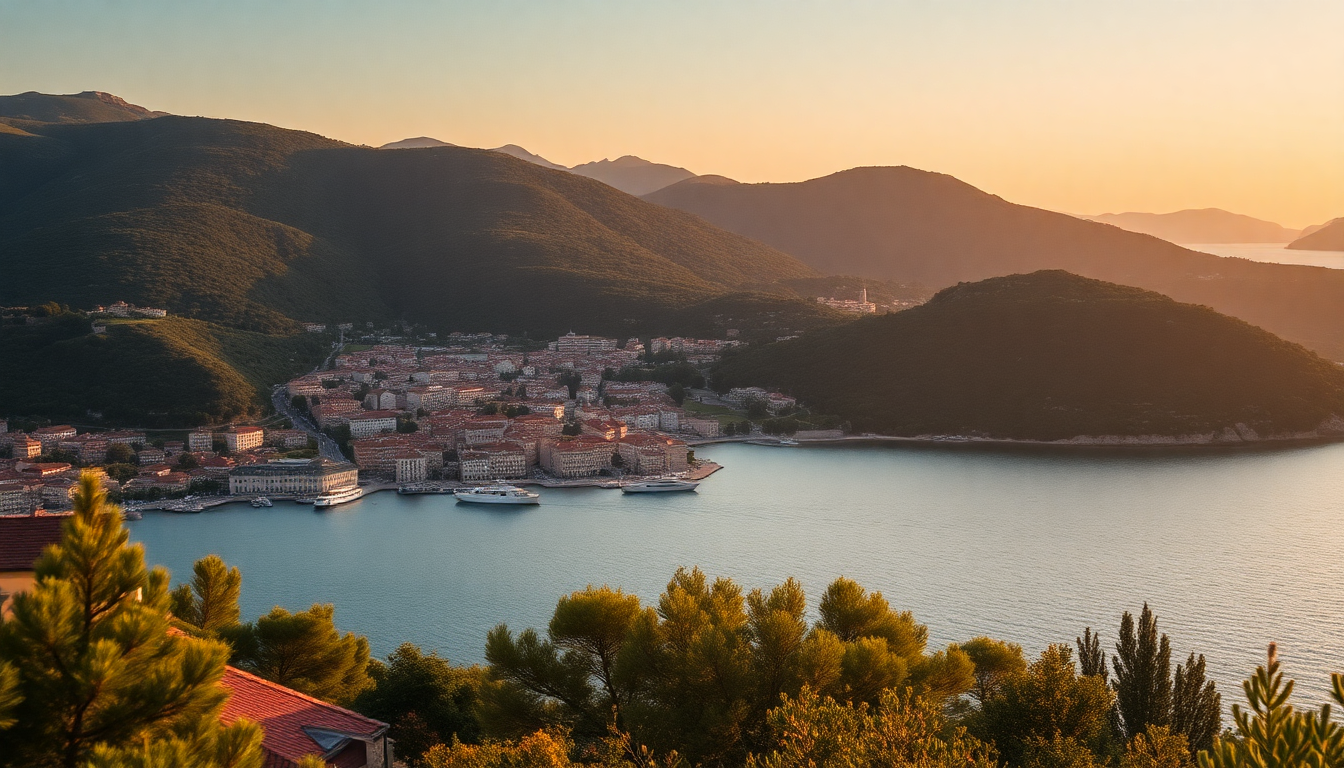
I spent three weeks hopping between Dubrovnik, Split, Hvar, and Zagreb, and figuring out transport was the biggest puzzle. Ferries skip traffic but run on island time, buses are cheap and surprisingly reliable, and a rental car gives you freedom—until you hit a one-way street in a medieval town. Here’s what actually worked, what didn’t, and where I’d spend my money next time.
Should you take the ferry or the catamaran for island hopping?
If you’re going from Split to Hvar or Korčula, the catamaran is your best bet. I took the Jadrolinija ferry from Split to Stari Grad on Hvar—it’s the slow boat, takes about two hours, and costs around €6–8 per person. It works, but it’s basic: outdoor seating, a snack bar, and no AC in the cabin. The Krilo catamaran from Split to Hvar town is faster (one hour) and more comfortable, but tickets run €15–20 and sell out in summer. Book online a day ahead if you’re traveling June through September.
- Jadrolinija ferry from Split to Stari Grad: cheap, no booking needed, but check the timetable—off-season runs are sparse.
- Krilo catamaran from Split to Hvar town: faster, pricier, and you want a seat inside if it’s choppy.
- Kapetan Luka line from Split to Korčula: similar speed and price to Krilo, and it stops at Hvar on the way.
For Dubrovnik to the islands, you’re looking at longer hauls. The ferry from Dubrovnik to Korčula takes about three hours and runs daily in summer. I skipped it and flew from Dubrovnik to Split instead—€50 on Croatia Airlines saved me a half-day.
How reliable are buses between Dubrovnik, Split, and Zagreb?
Buses are the backbone of mainland Croatia. I took FlixBus from Dubrovnik to Split—about 4.5 hours, €22, with Wi-Fi that actually worked for Spotify. The coastal highway is stunning, but the road is winding, so don’t plan to work. Arriva and Autotrans are the other big operators. Zagreb to Split is a straight shot on the A1 motorway, about 4 hours, and you can grab an Arriva bus from Zagreb’s main bus station for around €25.
- FlixBus from Dubrovnik to Split: book on the app, seat selection costs extra but worth it for a window on the right side.
- Autotrans from Split to Zagreb: more legroom than FlixBus, but departures are less frequent.
- Zagreb bus station (Autobusni kolodvor): chaotic, get there 20 minutes early to find your platform.
- Dubrovnik bus station (Gruz): small, has a decent bakery for pastries before departure.
One warning: buses from Dubrovnik to Zagreb take 8–9 hours direct. I split it with an overnight in Split. Saved my back.
Is renting a car worth it in Croatia?
Yes, but only if you stick to the mainland or plan to explore inland. I rented from Sixt in Zagreb for a week—€280 with full insurance, manual transmission. Driving the A1 from Zagreb to Split is a breeze, and the tolls are cheap (about €25 total). But don’t bring a car to Hvar or Korčula unless you’ve booked parking weeks ahead. In Dubrovnik, parking near the Old Town is a nightmare; I parked at the Dubrovnik Palace Hotel lot (€15/day) and walked 20 minutes in.
- Sixt at Zagreb Airport: easy pickup, but check for scratches before leaving the lot.
- A1 motorway tolls: pay by card or cash at the booth, keep small change.
- Old Town Dubrovnik parking: avoid it. Use the Ilijina Glavica garage (€2/hour) and walk downhill.
- Split parking: the Diocletian’s Palace area is pedestrian-only. Park at the West Gate lot (€1.50/hour).
A car is great for day trips from Split—I drove to Trogir in 30 minutes and parked for free outside the old town walls. But for island hopping, leave the car on the mainland.
How do you get from Dubrovnik Airport to the Old Town?
The airport bus is the smart play. I took the Platanus bus from Dubrovnik Airport to the main bus station in Gruz—€8, 30 minutes, runs every 30 minutes. From there, catch a local bus (number 1a, 1b, or 3) to Pile Gate for €1.50. A taxi from the airport to the Old Town will cost €30–40, and Uber works but surge pricing hits hard in summer.
- Platanus airport bus: buy a ticket at the kiosk outside arrivals, cash only.
- Local bus from Gruz to Pile Gate: pay the driver, exact change appreciated.
- Taxi from Dubrovnik Airport: fixed rates posted at the stand, but negotiate if you’re going to Lapad instead of the Old Town.
If you’re staying in Lapad, take the airport bus to Gruz and walk 10 minutes—it’s flatter than the Old Town hills.
What about getting around Zagreb without a car?
Zagreb is walkable, but you’ll use trams for longer hauls. I bought a Zagreb Card (€10 for 24 hours) that covered all trams and entry to the Museum of Broken Relationships. The tram network is simple: lines 6 and 13 run from the main square (Trg bana Jelačića) to the bus station. For the airport, take tram 6 to the main train station (Glavni kolodvor), then the Croatia Airlines shuttle bus (€4, 25 minutes).
- Zagreb tram: buy tickets at a kiosk (Tisak) or via the ZagrebPASS app.
- Glavni kolodvor: the train station has luggage storage (€3 per bag) if you’re day-tripping.
- Museum of Broken Relationships: worth an hour, but the tram stop is a 5-minute walk.
- Zagreb Airport shuttle: runs hourly, don’t trust the schedule on holidays.
I walked from the upper town (Gradec) to the lower town in 15 minutes. No Uber needed.
How do you get to Hvar from Split without a tour?
Buy a catamaran ticket the day before. I used the JGL (Jadrolinija) app to book from Split to Hvar town—€16, one hour, and the boat docks right at the Hvar waterfront. From there, it’s a 5-minute walk to the main square. If you’re staying in Stari Grad (quieter, better beaches), take the Jadrolinija ferry instead—€6, 2 hours, and you’ll need a taxi or bus from the port to town (€3).
- Jadrolinija app: clunky but works for booking and checking schedules.
- Hvar town waterfront: restaurants are touristy—skip them and walk 10 minutes to Figa for better seafood.
- Stari Grad port: the bus to town runs every hour, but I walked it in 20 minutes.
Don’t take the taxi boat from Split to Hvar—it’s €50 and no faster than the catamaran.
FAQ
Can you use Uber in Dubrovnik and Split? Yes, Uber works in both cities, but it’s not cheap. A ride from Split’s Old Town to the bus station cost me €8, and surge pricing in Dubrovnik can hit €15 for a 10-minute trip. Bolt is also available and sometimes cheaper. I’d only use it for luggage-heavy transfers.
Do ferries run in the off-season (November to March)? Barely. Jadrolinija cuts most island routes to one or two weekly departures in winter. The catamaran from Split to Hvar stops entirely from November to April. I tried in late October and got stuck in Stari Grad for an extra day—check the winter timetable before booking accommodation on the islands.
Is it worth buying a Croatia Pass for transport? No. The Croatia Pass (tourist card) covers some ferries and buses, but the savings are minimal unless you’re hitting every museum in Split. I did the math—buying individual tickets cost me €15 less over two weeks. Just book as you go.
Conclusion
- Take the catamaran from Split to Hvar (Krilo or Kapetan Luka) for speed; use Jadrolinija ferries for budget island hops.
- FlixBus is your best mainland bus option between Dubrovnik, Split, and Zagreb—book ahead in summer.
- Rent a car from Sixt in Zagreb for mainland day trips, but leave it behind for islands and Dubrovnik’s Old Town.
- Use Zagreb’s tram system with a Zagreb Card for efficient city travel.
- For airport transfers, the Platanus bus in Dubrovnik and the Croatia Airlines shuttle in Zagreb beat taxis every time.