Best German Cities to Visit: Berlin, Munich, Hamburg, Cologne
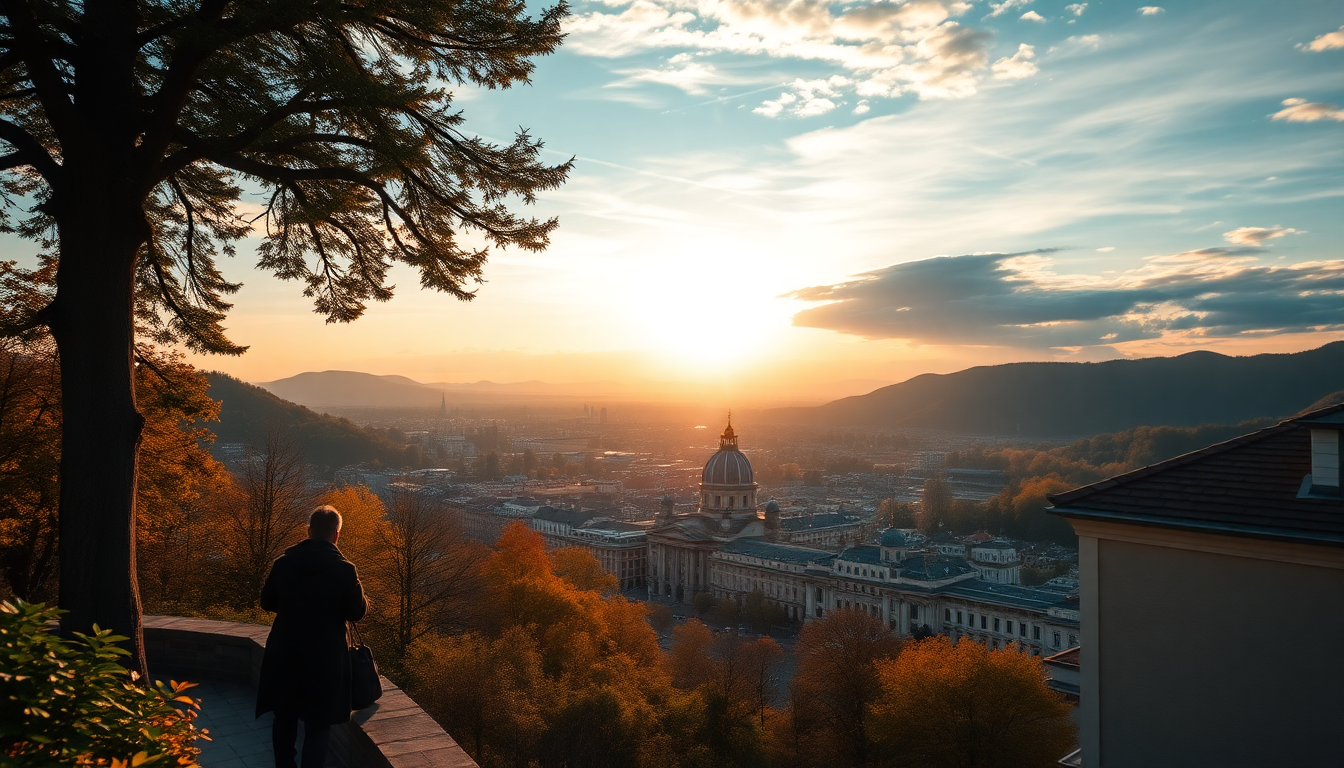
I spent three weeks bouncing between Berlin, Munich, Hamburg, and Cologne, and came away with a clear winner for different kinds of trips. This guide cuts through the tourist-board hype and tells you what each city actually feels like, where to spend your money, and what you can skip.
Which city should I pick for a first trip to Germany?
It depends on what you want. If you’re after history, nightlife, and raw urban energy, Berlin is your city. If you want fairy-tale scenery, beer gardens, and a more traditional German vibe, go to Munich. For a maritime, laid-back city with great seafood and a young crowd, pick Hamburg. And if you only have a weekend and want a compact, walkable city with a famous cathedral, Cologne works well.
- Berlin — best for history buffs, clubbers, and budget travelers. We spent four days here and still missed entire neighborhoods.
- Munich — best for first-timers who want the “classic” Germany: lederhosen, pretzels, and the Alps nearby. Two days is enough for the city.
- Hamburg — best for a relaxed city break with water views and great food. Three days felt right.
- Cologne — best for a quick stopover (one night is fine) or as a base for the Rhine valley.
What are the top things to do in Berlin?
Berlin is huge and spread out, so don’t try to see it all. Focus on a few neighborhoods. We stayed in Mitte (central, touristy but convenient) and spent most of our time in Kreuzberg and Neukölln for the food and street art.
- Brandenburg Gate and the Reichstag Building — book the Reichstag dome visit weeks in advance; it’s free but slots fill up fast.
- East Side Gallery — the longest open-air gallery in the world on a stretch of the Berlin Wall. Go early morning to avoid crowds.
- Museum Island — pick one or two museums. The Pergamon Museum is incredible but partially closed for renovation until 2027. The Neues Museum houses the Nefertiti bust.
- Tempelhofer Feld — an abandoned airport turned into a massive public park. We rented bikes and rode the runways. Totally free.
- Markthalle Neun in Kreuzberg — a food hall with a Thursday Street Food Market that’s genuinely good, not a tourist trap.
Honest take: the Berlin Wall Memorial on Bernauer Strasse is more moving than the East Side Gallery, but less Instagrammable. I’d do both.
What should I not miss in Munich?
Munich feels cleaner, richer, and more orderly than Berlin. The English Garden is bigger than Central Park, and locals surf on a wave in the Eisbach river. The beer gardens here are the real deal — we had a liter of Augustiner at Chinesischer Turm for under €8.
- Marienplatz — the central square with the Glockenspiel. It’s packed with tourists, but worth a 10-minute look.
- Viktualienmarkt — an open-air market right off Marienplatz. Grab a Weisswurst and a pretzel from a stall, don’t sit at the overpriced beer garden there.
- Deutsches Museum — huge science and technology museum on an island in the Isar river. Plan half a day.
- Hofbräuhaus — yes, it’s a tourist circus. Go for one beer and leave. Better beer gardens: Augustiner-Keller or Hirschgarten.
- Dachau Concentration Camp Memorial — a 30-minute train from Munich. Essential but emotionally heavy. Go in the morning.
If you have an extra day, take the train to Neuschwanstein Castle. It’s as crowded as you’ve heard, but the hike to the Marienbrücke bridge gives you the postcard view without the entrance fee.
Is Hamburg worth visiting? What’s unique about it?
Hamburg surprised me the most. It’s Germany’s second-largest city but feels smaller and more navigable. The Speicherstadt (warehouse district) is a UNESCO World Heritage site of red-brick buildings on canals — it looks like a movie set. We took a harbor boat tour (the public ferry line 62 costs €3.50 and gives you the same views as the expensive tours).
- Elbphilharmonie — the concert hall with a wavy glass facade. You can go up to the public plaza for free; book a slot online.
- Reeperbahn — the red-light district and nightlife strip. It’s seedy but safe. We went for the live music bars, not the clubs.
- Miniatur Wunderland — the world’s largest model railway. Sounds silly, but it’s genuinely impressive. Book tickets days ahead.
- St. Pauli Piers (Landungsbrücken) — the hub for ferries and harbor views. Grab a fish sandwich from Brücke 10.
- Schanzenviertel — the hipster neighborhood with vintage shops, falafel places, and the Schanzenhöfe courtyard complex.
Hamburg’s food scene is underrated. We ate at Fischereihafen Restaurant for high-end seafood and Hebsack for a casual, modern German dinner. Both were excellent.
What’s the best way to spend a day in Cologne?
Cologne is compact. The Cologne Cathedral (Kölner Dom) dominates the skyline, and you can climb the 533 steps to the top for a view over the Rhine. It’s the most impressive cathedral I’ve seen in Germany, and it’s free to enter.
- Cologne Cathedral — go inside for the stained glass, then climb the tower. Your legs will burn.
- Old Town (Altstadt) — a maze of narrow streets with breweries serving Kölsch beer. Try Früh am Dom or Päffgen.
- Museum Ludwig — modern art museum with a great Pop Art collection. The Ludwig has a Warhol room that rivals MoMA.
- Hohenzollern Bridge — walk across the Rhine on this bridge covered in love locks. Best photo spot is from the Deutzer side at sunset.
- Belgian Quarter — shops, cafes, and street art. We found a tiny bookstore called Buchhandlung Bittner that had English-language events.
Cologne is a one-night city for most travelers. We did it as a stop between Amsterdam and Frankfurt and that felt right. The Kölner Karneval in February is insane — fun if you’re into crowds and costumes, but avoid if you want a quiet trip.
When is the best time to visit these cities?
May to September is the sweet spot for all four cities. The weather is warm, beer gardens are open, and daylight lasts until 9 PM. July and August are peak tourist season, especially in Munich. October is great for Munich because of Oktoberfest (book accommodation a year ahead) and the autumn foliage in the English Garden.
Winter is hit-or-miss. December brings Christmas markets, and Cologne’s markets are among the best in Germany. Berlin’s markets are scattered but charming. Hamburg’s Winter DOM is a massive fairground. January and February are cold and gray — we visited Hamburg in February and spent most of our time indoors.
For lower prices and fewer crowds, late April or late September are ideal. We did Berlin in late September and had mild weather and short lines everywhere.
FAQ
How many days should I spend in each city? Three days in Berlin, two in Munich, two in Hamburg, and one in Cologne is a solid baseline. If you have less time, skip Cologne and add a day to Berlin or Hamburg. If you want to add a smaller town, consider Heidelberg or Rothenburg ob der Tauber as day trips from Munich or Frankfurt.
Is it easy to travel between these cities by train? Yes. The ICE high-speed trains connect all four cities. Berlin to Hamburg takes 1 hour 45 minutes. Hamburg to Cologne takes 4 hours. Munich to Berlin takes 4 hours 30 minutes. Book on Bahn.de or via the DB Navigator app. We bought the Deutschlandticket (€49/month) for regional trains, but for long distances you need a separate ICE ticket. Book ahead for discounts.
What’s the best way to get around each city? Public transit is excellent in all four. Buy a day pass (€7-10) for unlimited U-Bahn, S-Bahn, trams, and buses. In Berlin, the U-Bahn runs 24/7 on weekends. In Munich, the U-Bahn and S-Bahn cover everything. Hamburg’s HVV network includes ferries. Cologne is walkable — we didn’t use transit at all inside the city center.
Conclusion
- Berlin is the most culturally rich and affordable city, but it’s sprawling — plan your days around neighborhoods, not a checklist.
- Munich is the most polished and expensive, with the best beer gardens and easiest access to the Alps. Skip Hofbräuhaus, go to Augustiner-Keller.
- Hamburg is the most underrated — great food, harbor views, and a relaxed vibe. The Miniatur Wunderland is worth the hype.
- Cologne is a quick, satisfying stop. One night is enough unless you’re hitting Karneval or Christmas markets.
- Trains between cities are fast and reliable. Book ICE tickets early for the best prices.