Best Time to Visit Bali: Month-by-Month Guide for 2025
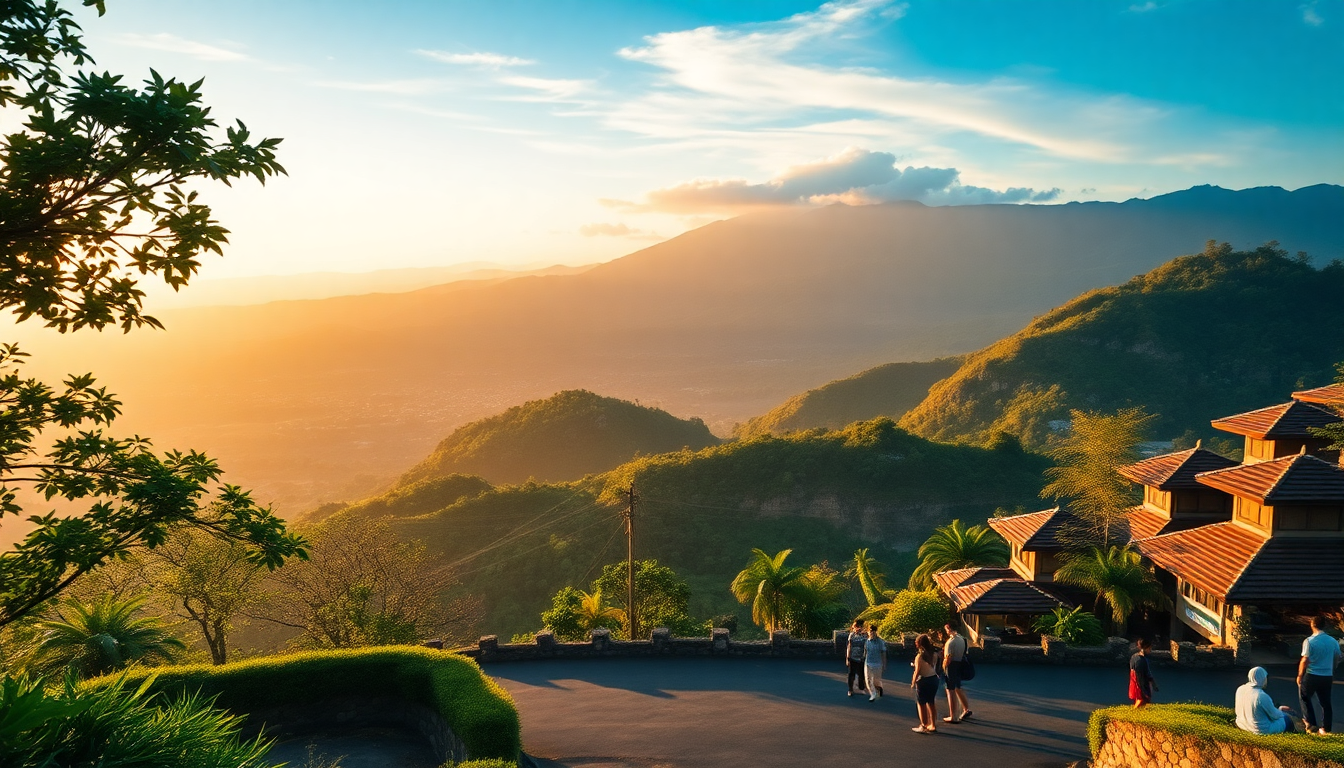
I’ve been bouncing around Bali for the better part of a decade, and I still get surprised by how much the island changes month to month. One trip in January I was stuck in a monsoon in Ubud; another in August I couldn’t find a sunbed in Seminyak. This guide breaks down each month for 2025 so you can pick the right window for your vibe—surf, yoga, temple hopping, or just lying by a pool with a coconut.
What’s the weather really like month by month in Bali?
Bali has two seasons: wet (November–March) and dry (April–October). But “wet” doesn’t mean nonstop rain, and “dry” doesn’t guarantee zero clouds. The microclimates are real. Ubud gets afternoon downpours even in July, while the Bukit Peninsula (Uluwatu, Jimbaran) stays drier year-round.
For 2025, expect the usual patterns. The wet season peaks in January and February, with short, heavy tropical showers—often just an hour in the afternoon. The dry season is sun-drenched from June through September, with cooler evenings in the highlands. I’ve had perfect beach days in November and surprise thunderstorms in August. Pack a light rain jacket no matter when you go.
Which months have the best weather for beach and surf?
June, July, August, and September are the sweet spot for beach lovers. The sun is out, humidity drops, and the ocean is calm on the west coast. Surfers know these months bring consistent swell to Uluwatu and Padang Padang—but expect crowds at both.
- May and October are transition months: fewer tourists, still good waves, and warm water. I’ve scored empty lineups at Bingin Beach in late May.
- December to February is rainy season, but the east coast—Sanur and Nusa Dua—gets less rain and flatter water, perfect for families or beginner snorkeling.
- Lovina on the north coast is calm year-round, but the dry season (June–September) gives you the clearest water for dolphin spotting.
When should I avoid the crowds and high prices?
If you hate queuing for a warung or paying triple for a villa, skip July, August, and the Christmas–New Year window. Those months see Australian school holidays, European summer breaks, and a flood of remote workers to Canggu and Seminyak.
- January and February are my go-to for low-season deals. Rain comes in bursts, but I’ve had entire villas to myself for a third of the peak price. The Ubud Monkey Forest is practically empty.
- March and April are a sweet spot before the Easter rush. I booked a room at Hotel Tugu Bali in Canggu for half the August rate.
- September is a hidden gem: dry weather, fewer kids, and the crowds thin after August. The Ubud Writers & Readers Festival happens in late October if you want culture without the beach chaos.
What festivals and events should I plan around?
Bali runs on a Hindu calendar, so dates shift yearly. For 2025, these are the big ones:
- Nyepi (Day of Silence) — March 29, 2025. The entire island shuts down: no flights, no lights, no internet. It’s eerie and incredible. I spent it in a villa in Sanur reading by candlelight. Book your accommodation well in advance—everything fills up.
- Galungan and Kuningan — May 7 and May 17, 2025. You’ll see tall bamboo penjor decorations lining every street in Ubud and Denpasar. Temples get busy, but the energy is amazing.
- Bali Arts Festival — June 15–July 13, 2025, in Denpasar. Dance, music, and craft exhibitions. Skip if you hate crowds; go if you want to see real Balinese culture beyond the beach clubs.
- Melasti — three days before Nyepi (March 26, 2025). Processions to the sea. The beach at Jimbaran is packed with locals in white, carrying offerings. It’s photogenic but chaotic.
Is there a best time for specific activities (yoga, diving, temples)?
Yes, and it’s not always the dry season.
- Yoga and wellness — May, June, and September are ideal in Ubud. The weather is warm but not sticky, and the Yoga Barn has full schedules without the July crush. Avoid December–February if you hate sweating through downward dog.
- Diving and snorkeling — April to November gives you 20–30m visibility at Tulamben (the USAT Liberty wreck) and Nusa Penida (manta rays). December–March has rougher seas and lower visibility—I’ve been skunked at Blue Lagoon in January.
- Temple visits — Besakih Mother Temple and Tanah Lot are best visited in the dry season (May–October) because the paths get slippery and muddy in the rain. But early morning in the wet season (6 AM) can be magical with mist and zero tourists.
What about traveling on a budget—which months save me the most money?
January, February, and March are your budget months. Flights from Australia and Europe drop 30–50%, and villa rentals on Airbnb in Canggu and Seminyak are half the July rate. The catch: you’ll need flexibility for rain.
- Accommodation — I booked a private pool villa in Umalas for $45/night in February. Same villa was $120 in August.
- Food — Street food and warungs stay cheap year-round, but high-end restaurants in Seminyak (like Mamasan) often run low-season promotions in February.
- Tours — GetYourGuide tours for rice terraces or waterfalls are cheaper in low season. I did a Tegalalang Rice Terrace sunrise tour in March for $22—half the August price.
FAQ
Is Bali too rainy to visit in January? Not if you plan around it. Rain usually comes in short afternoon bursts. I spent a January in Sanur and got mornings of sun, then a 30-minute downpour at 3 PM. The upside: empty beaches and cheap rooms. Just avoid the far west coast (Canggu), which gets heavier rain than the east.
When is the best time for surfing beginners? May through September gives you consistent but manageable swell on the west coast. Kuta Beach and Legian have gentle waves for learners. Avoid December–February when the monsoon brings messy, choppy surf to the west—head to Sanur on the east side for flat water instead.
Should I avoid Nyepi (Day of Silence) as a tourist? No, but know what you’re signing up for. On March 29, 2025, you cannot leave your hotel or villa, no lights after dark, no internet (most providers shut off). I loved the forced stillness, but if you get bored easily, pick a hotel with a pool and good books. Stock up on snacks beforehand—everything is closed.
Conclusion
- For perfect weather and beach time: June, July, August, or September. Book early, expect crowds.
- For low prices and fewer people: January, February, or March. Accept some rain and you’ll save big.
- For surfing: May–October for consistent swell; November–April for lighter waves on the east coast.
- For cultural events: Plan around Nyepi (March 29, 2025) or Galungan (May 2025) for a unique experience.
- For yoga and wellness: May, June, or September in Ubud—warm, not humid, and fewer tourists.