Best Time to Visit Bali: Month-by-Month Guide for Beaches & Temples
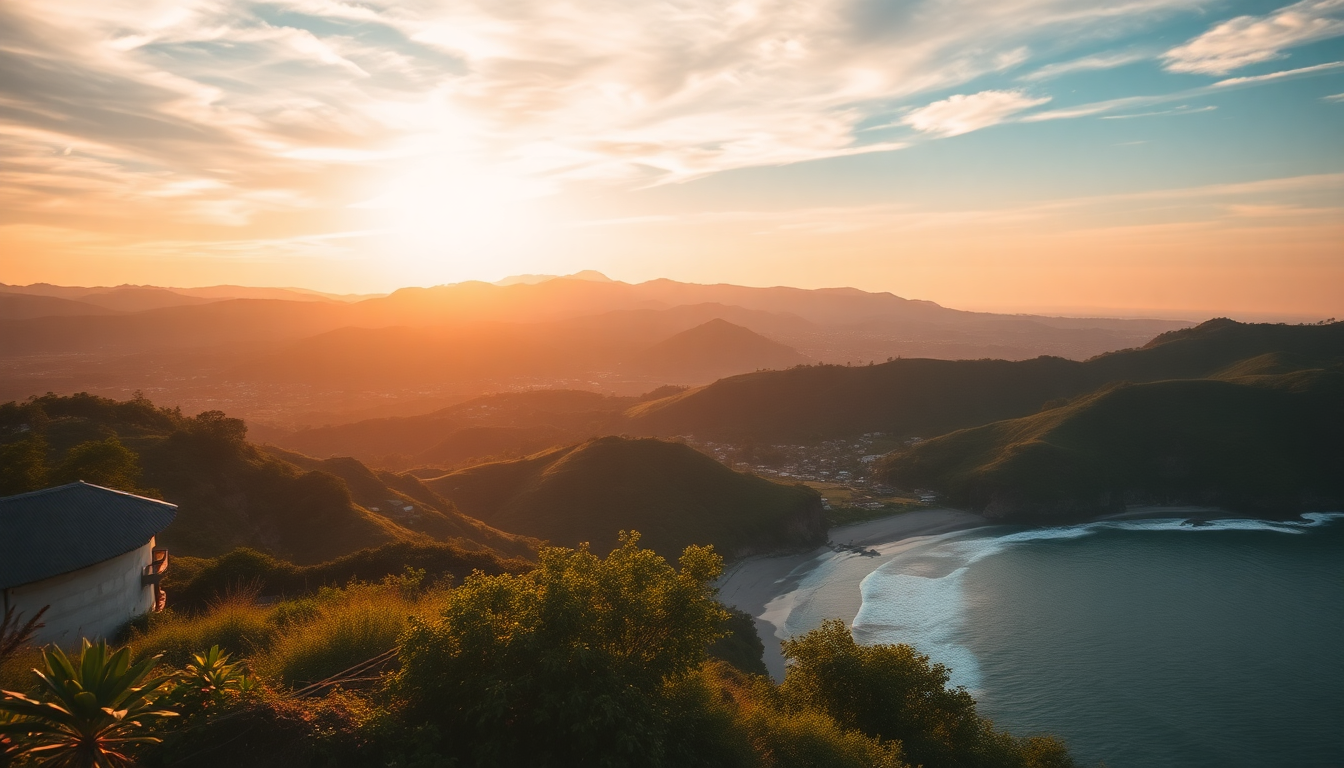
I’ve been to Bali four times now, and each trip felt like a different island depending on the month. The difference between a rainy February visit to Uluwatu and a dry August stay in Seminyak is night and day. This guide breaks down what you’ll actually deal with month-by-month—rain, crowds, and temple access—so you can pick the window that fits your beach-and-temple itinerary.
When is the best overall time to visit Bali?
The sweet spot is April to October, Bali’s dry season. You’ll get blue skies, calm seas, and lower humidity. I’ve found May and June to be the Goldilocks months—not as packed as July and August, but still reliably sunny. For beaches, that means clear water at Padang Padang and Seminyak Beach. For temples, dry paths make walking Uluwatu Temple’s clifftop trails safe and sweat-free.
- April to June: Low crowds, green landscapes, good surf at Balangan Beach
- July to August: Peak tourist season, busy at Tanah Lot at sunset, book hotels months ahead
- September to October: Still dry, fewer families, ideal for temple hopping in Ubud
If you’re flexible, aim for late April or early October. You miss the peak prices and still get great weather.
What is the rainy season like for beaches and temples?
Wet season runs November to March. It doesn’t rain all day—usually a heavy downpour for an hour or two in the afternoon, then clearing. I made the mistake of visiting in January once, and while mornings at Sanur Beach were fine, by 2 PM the sky opened up. Temples like Besakih get slippery steps, so bring grip sandals.
- November to December: Transition months, still some sunny mornings, fewer tourists at Ubud Monkey Forest
- January to February: Heaviest rain, rough surf on west coast beaches (skip Seminyak for swimming)
- March: Rain tapers off, rice terraces at Tegalalang are lush and photogenic
The upside? Cheaper flights and empty temples. I had Uluwatu Temple nearly to myself during a February morning drizzle. Just plan indoor backups like cooking classes or spa days.
Which months are best for beach activities in Seminyak and Uluwatu?
For swimming, sunbathing, and surfing, you want May through September. The wind shifts from west to east, flattening the ocean on the west coast. Seminyak Beach gets gentle waves perfect for beginner surfers, and Uluwatu’s beaches like Suluban have consistent breaks for intermediates.
- May: Water is warm (27°C), no jellyfish, great for snorkeling at Blue Lagoon
- July: Peak surf season at Uluwatu—bigger swells, but crowded lineups
- September: Calmer seas, ideal for paddleboarding at Jimbaran Bay
I’d avoid December to February for beach time. The currents get strong, and I’ve seen red flags up at Kuta Beach multiple times. Stick to pool days at a hotel like The Legian Seminyak if you’re stuck in those months.
When should I visit Ubud’s temples and rice terraces?
Ubud is inland and cooler, but rain matters more here because you’re walking dirt paths. June to August is perfect for temple visits—dry ground at Tirta Empul (the water temple) means you can do the purification ritual without slipping. The rice terraces at Tegalalang are brightest right after the rainy season ends, so April and May give you neon green paddies.
- Tirta Empul: Best visited before 9 AM in July to avoid tour bus crowds
- Goa Gajah (Elephant Cave): Dry season only—the entrance gets muddy and slippery in wet months
- Campuhan Ridge Walk: Ideal in June mornings, no rain, views over Ubud valley
I did the ridge walk in November once. It was still nice, but I had to dodge puddles. If you’re a photographer, book Ubud for May or September.
How do crowds and prices change month by month?
Crowds follow the weather. July and August are chaos—Seminyak traffic jams, hour-long waits at Warung Babi Guling Ibu Oka, and hotel rates double. I paid $180 a night for a basic room in August that cost $80 in March. December is also busy due to Australian school holidays, especially around Nusa Dua.
- Low season (Jan–Mar, Nov): Hotel deals at Hotel Indigo Seminyak, empty beaches, but rain risk
- Shoulder season (Apr–Jun, Sep–Oct): Best value—good weather, moderate prices at Ubud Hanging Gardens
- High season (Jul–Aug, Dec): Book everything 3 months early, expect surcharges at Rock Bar Bali
My rule: If you can travel in May, do it. You get dry weather, fewer people, and prices that don’t sting.
FAQ
Is Bali too crowded in August? Yes, especially in Seminyak and Uluwatu. I waited 40 minutes for a table at Mama San in Seminyak last August. Beaches like Kuta feel packed, but you can escape to less touristy spots like Amed on the east coast. If August is your only option, book everything—tours, dinners, transport—in advance.
Can I still visit temples during the rainy season? Absolutely, but pick morning visits. Rain usually hits after 2 PM. I did Uluwatu Temple at 8 AM in February and had the place to myself. Just wear quick-dry clothes and bring a rain jacket. Avoid Tirta Empul in heavy rain—the water gets murky and the experience loses its vibe.
What month has the best surf in Uluwatu? July and August offer the biggest and most consistent swells. I’m an intermediate surfer, and I found Padang Padang Left challenging but rideable in July. Beginners should stick to May or September when waves are smaller. Always check the tide charts at Suluban Beach before paddling out.
Conclusion
- Best overall months: May, June, and September for dry weather, low crowds, and affordable prices
- For beaches: Aim for May–September, especially Seminyak and Uluwatu’s west coast spots
- For temples: April–June gives you lush green surroundings and dry paths at Ubud sites
- Avoid if possible: January–February for beach plans, July–August if you hate crowds
- Wild card: November can work if you’re flexible—cheap flights, empty beaches, just bring an umbrella