Two Weeks in Japan: Tokyo, Kyoto, Osaka, Hiroshima
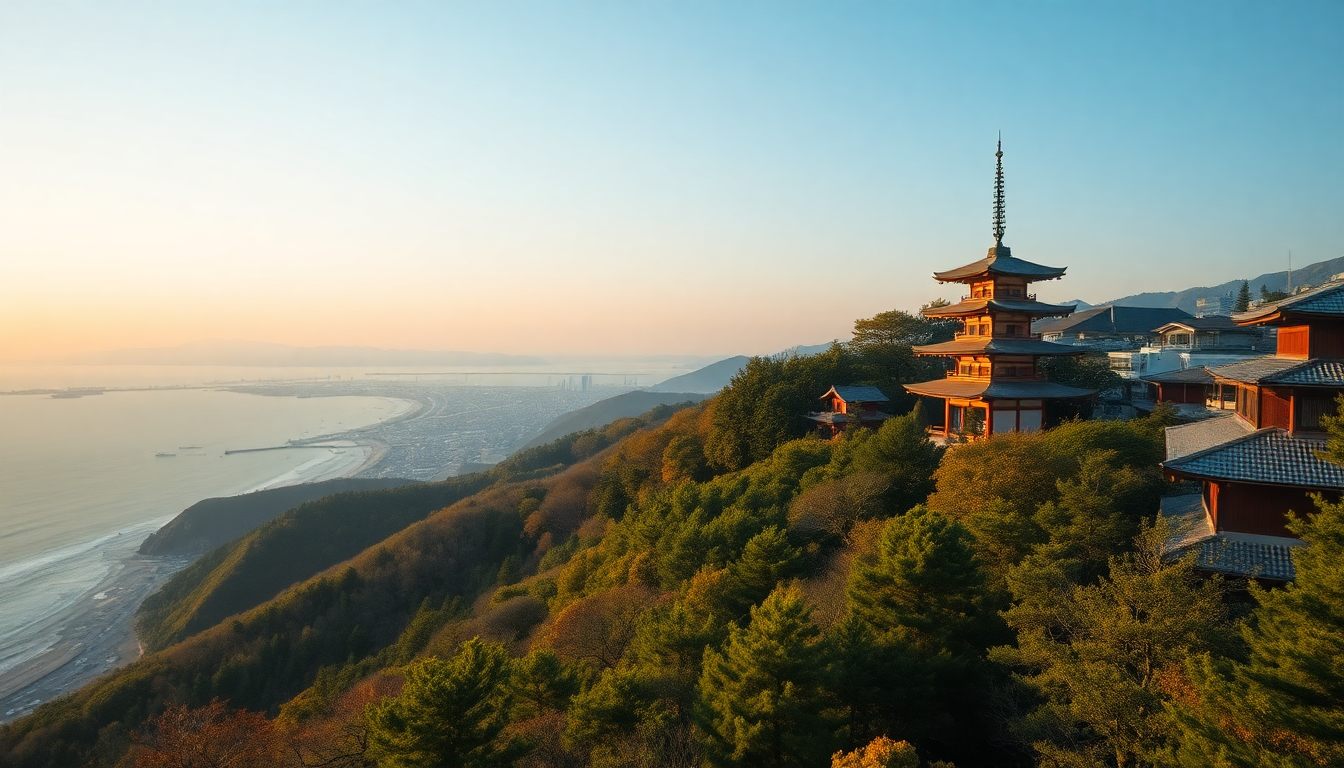
I spent two weeks bouncing between Tokyo’s neon chaos, Kyoto’s temple quiet, Osaka’s food-obsessed streets, and Hiroshima’s sobering history. This itinerary is exactly what I did—no filler, no “hidden gems” that require a three-hour bus ride. Just the real stops, the train passes that saved me money, and the places I’d book again tomorrow.
Is the JR Pass worth it for this route?
Yes, but only the 14-day JR Pass. I ran the numbers before leaving. A one-way Shinkansen from Tokyo to Kyoto costs around ¥13,000. Add Kyoto to Osaka (¥580), Osaka to Hiroshima (¥10,000), and Hiroshima back to Tokyo (¥19,000). That’s already ¥42,580. The 14-day JR Pass costs ¥47,450. The extra ¥5,000 covers my local JR lines in Tokyo, the Yamote Line loops, and the airport express. No brainer.
- JR Pass 14-Day – Pick it up at the JR Ticket Office in Tokyo Station. Reserve Shinkansen seats ahead for the Hiroshima leg—those trains fill up.
- Suica or Pasmo card – Still needed for subways and buses. I loaded ¥5,000 on mine and topped up once.
- No-go – The JR Pass doesn’t cover Nozomi trains (the fastest). I used Hikari trains instead; they stop at a few more stations but only add 15 minutes.
Where should I stay in Tokyo for easy transit?
I booked Hotel Gracery Shinjuku for four nights. It’s the one with the Godzilla head on the roof. The location is absurdly convenient—three-minute walk to Shinjuku Station, which connects to the Yamanote Line, Chuo Line, and the Narita Express. Room was small (typical Tokyo), but clean and quiet with blackout curtains.
- Shinjuku – Best for nightlife and train access. Stay near the station’s east exit.
- Ueno – Cheaper hotels, closer to museums and Ameya-Yokocho market. I’d pick this for a budget trip.
- Ginza – Fancy, but you’ll waste time transferring. Skip unless you’re on an expense account.
For breakfast, I walked to Tsukiji Outer Market (15-minute subway ride) and ate at Sushi Dai—worth the 45-minute queue for the omakase set. If you’re not queuing, grab tamagoyaki from Yamacho for ¥100.
What are the must-do things in Kyoto without crowds?
Kyoto’s temples are beautiful but packed by 9 AM. I dodged the worst of it by waking early and going to Fushimi Inari-taisha at 6:30 AM. The main path was empty until 8. After that, I took the JR Nara Line one stop to Inari Station—direct from Kyoto Station.
- Fushimi Inari-taisha – Go at sunrise. The thousand torii gates are yours alone.
- Kinkaku-ji – The golden pavilion. Arrive at 8:30 AM when it opens. I spent 40 minutes there.
- Bamboo Grove in Arashiyama – Overrated unless you go at 7 AM. I slept in and regretted it.
- Philosopher’s Path – A lovely 2-km walk along a canal. Stop at Nanzen-ji temple for the massive Sanmon gate.
I stayed at Hotel Granvia Kyoto directly above Kyoto Station. It’s not charming, but you can roll out of bed and catch the Shinkansen or bus to Higashiyama. For dinner, I ate at Omen Kodai-ji for udon—simple, clean broth, ¥1,500 for a set.
How do I get from Kyoto to Osaka, and what should I eat there?
The JR Special Rapid Service runs every 30 minutes from Kyoto Station to Osaka Station. Takes 30 minutes, costs ¥580, covered by the JR Pass. No need to reserve a seat.
Osaka is about food, not sights. I skipped Osaka Castle (a concrete reconstruction) and focused on Dotonbori at night. The neon riverwalk is a sensory overload, but the food stalls are legit.
- Takoyaki from Kukuru – Octopus balls with molten center. ¥600 for eight.
- Okonomiyaki from Mizuno – A 70-year-old shop in Dotonbori. The pork-and-mochi version is the move.
- Kushikatsu from Daruma – Deep-fried skewers. Dip only once into the communal sauce—double-dipping is a faux pas.
- Ramen at Ichiran – The solo-booth chain. Efficient, tasty, and open 24 hours. I went at 11 PM post-drinks.
I stayed at Hotel Nikko Osaka near Shinsaibashi Station. It’s a 10-minute walk to Dotonbori. Rooms are Western-sized (rare in Japan) and the breakfast buffet has both miso soup and croissants.
Is Hiroshima worth the trip from Osaka?
Yes, but only if you have two full days. I took the 7:30 AM Shinkansen from Osaka (Hikari, 90 minutes) and arrived by 9. The Atomic Bomb Dome and Peace Memorial Museum are heavy—plan for three hours at the museum alone. I needed a quiet hour afterward at Shukkeien Garden to decompress.
- Peace Memorial Museum – Start here. The exhibits are raw but essential. ¥200 entry.
- Hiroshima Castle – Rebuilt, but the grounds are nice. Skip if short on time.
- Miyajima Island – Take the JR ferry (covered by the JR Pass) for the floating torii gate. Low tide lets you walk to it. I went at 4 PM to catch sunset.
- Okonomiyaki at Nagataya – Hiroshima-style has noodles inside. The owner taught me how to eat it with a mini spatula.
I stayed at ANA Crowne Plaza Hiroshima—a 10-minute walk from the Peace Park. It’s corporate but comfortable, and the bar on the 20th floor has city views.
What’s the best way to get from Hiroshima back to Tokyo?
The Hikari Shinkansen from Hiroshima to Tokyo takes about 4 hours 15 minutes. Reserve a seat on the right side (Mount Fuji view if the weather’s clear). I left at 9 AM and was in Tokyo by 1:15 PM. Use the JR Pass—no extra charge.
If you have time, stop in Himeji on the way. The castle is the original 17th-century structure, not a replica. You can store luggage at the station lockers (¥700 for large) and do the castle in 90 minutes.
How do I handle internet and money in Japan?
I used an eSIM from Ubigi—¥2,000 for 10 GB over 14 days. Activated it at Narita Airport. No SIM card swapping. For cash, I withdrew ¥50,000 at a 7-Eleven ATM (lowest fees). Many small shops in Kyoto and Osaka are cash-only.
- Ubigi eSIM – Works instantly. I had signal on the Shinkansen and in Hiroshima.
- 7-Eleven ATMs – Accept foreign cards. Avoid post office ATMs—they sometimes block international cards.
- Credit cards – Accepted at major hotels and department stores. Don’t rely on them for ramen shops or market stalls.
FAQ
How much should I budget for two weeks in Japan? I spent about ¥250,000 ($1,700) per person excluding flights. That covered the JR Pass (¥47,450), budget hotels (¥12,000/night average), meals (¥3,000/day), and entry fees. Add another ¥50,000 if you want nicer hotels or a ryokan stay.
Do I need to book Shinkansen seats in advance? For Tokyo to Kyoto and Kyoto to Osaka, no—trains run every 10 minutes. For Hiroshima to Tokyo, yes, especially on weekends. Reserve at a JR ticket machine (has English) or the counter. Free with the JR Pass.
Is English widely spoken in Japan? In Tokyo, Kyoto, and Osaka—yes, at hotels, stations, and tourist spots. In Hiroshima, less so, but signs are bilingual and Google Translate worked fine. I learned “arigato” and “sumimasen” and got by.
Conclusion
- JR Pass 14-Day paid for itself with the Hiroshima round-trip. Buy it before you go.
- Stay near Shinjuku Station in Tokyo, Kyoto Station in Kyoto, and Shinsaibashi in Osaka for walkability.
- Eat at Mizuno in Osaka and Nagataya in Hiroshima. Skip the tourist-trap conveyor-belt sushi in Dotonbori.
- Go to Fushimi Inari at 6:30 AM and Hiroshima Peace Museum first thing. Beat the crowds or regret it.
- Carry cash and get an Ubigi eSIM. The two things that’ll save you are a ¥10,000 note and a working phone.