Best Beaches in Japan: Okinawa, Kamakura & Shirahama
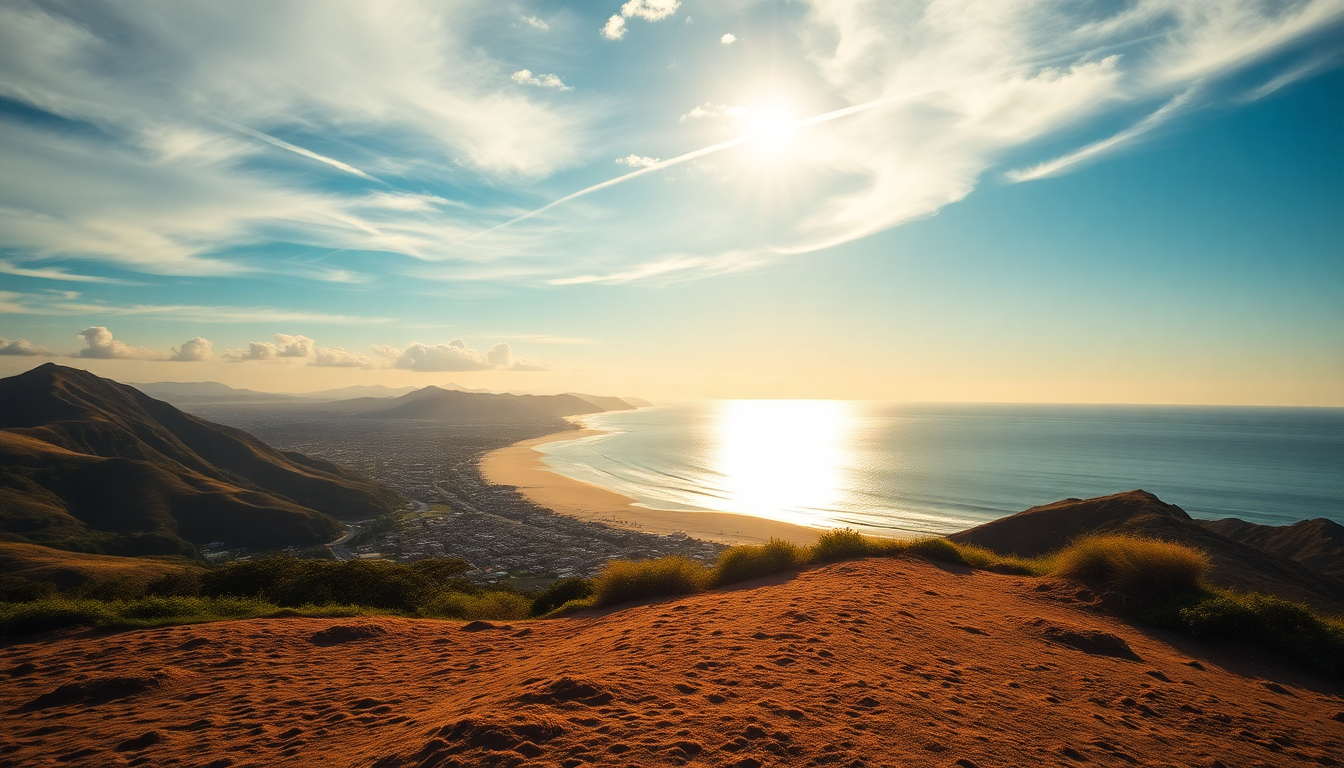
Japan’s beaches don’t get the same hype as its temples, but after a July week hopping between Okinawa, Kamakura, and Shirahama, I found three completely different coastlines worth planning a trip around. Okinawa gave me tropical water and a serious sunburn; Kamakura offered quick dips between temple visits; Shirahama delivered hot springs steps from the sand. Here’s what actually worked, what didn’t, and where I’d go back.
What makes Okinawa’s beaches different from mainland Japan?
Okinawa’s water is genuinely tropical—think clear turquoise, soft white sand, and coral reefs that make snorkeling easy even for beginners. It’s a 2.5-hour flight from Tokyo, so it feels like a real escape. I spent three days based in Naha, then drove north to the Motobu Peninsula.
- Emerald Beach (Kaiyohaku Park) — the most accessible beach near Churaumi Aquarium. Calm, lifeguarded, and free. Showers cost ¥100.
- Manza Beach — nicer sand but packed with resort guests. Skip the paid water toys; snorkel the rocky edges for parrotfish.
- Nirai Kanai Beach — my favorite. Quieter, with a shallow reef flat. Rent a sunbed for ¥1,500.
- Gangala Cave — not a beach, but a 30-minute walk from Nirai Kanai. An ancient limestone cave with a café inside. Worth the detour.
The catch: Okinawa’s rainy season runs May–June, and typhoons hit August–October. I went in early July and got perfect weather, but book flexible flights.
Is Kamakura worth it for a beach day?
Yes, but only if you treat the beach as a bonus, not the main event. Kamakura is a 1-hour train from Tokyo Station on the JR Yokosuka Line, so it’s a half-day trip from the city. The beaches are volcanic gray sand—not pretty, but the swimming is fine, and the views of Enoshima Island are nice.
- Yuigahama Beach — the main strip. Crowded on weekends. Rent a parasol and chair for about ¥3,000. I ate grilled squid from a shack near the lifeguard station.
- Inamuragasaki Beach — quieter, a 20-minute walk south. Good sunset spot. No rentals, so bring a towel.
- Kotoku-in Temple — the Great Buddha is a 15-minute walk from Yuigahama. Overrun with tourists, but the bronze statue is genuinely impressive. Go at 8 a.m. to avoid queues.
- Kamakura-jo (Tsuruoka Hachimangu) — the main shrine. I preferred the garden behind the main hall over the crowded approach.
I’d skip the beach if you only have one day in Kamakura. But if you want a swim after temples, Yuigahama works. Just don’t expect Okinawa.
Why drive to Shirahama instead of staying in Tokyo?
Shirahama is a 3.5-hour drive from Tokyo (or a 2.5-hour limited express train on the JR Kinokuni Line). It’s worth it for the combination of hot springs and beach—you can soak in an onsen overlooking the Pacific, then walk 50 meters to the sand. I rented a car in Tokyo and stopped at Odawara Castle on the way down.
- Shirahama Beach — the main beach. Fine white sand (imported from Australia, but it feels soft). Swimming is safe in designated zones. I arrived at 9 a.m. and had space; by noon it was shoulder-to-shoulder.
- Engetsu-to — a small rock island with a hole through it, visible from the beach. Good photo spot at low tide.
- Sakino-yu Onsen — a mixed-gender outdoor bath with ocean views. ¥800 entry. Bring a small towel. No swimsuits allowed, but the view of the sunset made it worth the awkwardness.
- Adventure World — a zoo and aquarium 10 minutes from the beach. I skipped it, but locals told me the panda exhibit is excellent.
- Shirahama Rodeo — a cheap izakaya near the station. I had sashimi set for ¥1,200. Nothing fancy, but honest food.
Shirahama is quieter than Okinawa and less convenient than Kamakura. I’d recommend it for a weekend road trip, not a day trip.
When is the best time to visit these beaches?
Japan’s beach season runs July through August, with water temperatures peaking around 28°C in Okinawa and 25°C in Kamakura and Shirahama. Golden Week (late April–early May) is warm but water is still chilly. September has fewer crowds but typhoon risk.
- Okinawa: best in July and October. Avoid August (typhoons, peak prices). I went July 10–14 and had calm seas.
- Kamakura: June to September. June is rainy; August is hot and packed. I preferred a weekday in early September.
- Shirahama: July to September. The onsen are great in winter, but the beach itself is only staffed July–August. I went mid-July.
Book accommodation at least a month ahead for July and August. I booked Okinawa hotels two weeks out and ended up in a mediocre business hotel in Naha instead of a beachfront resort.
What should I pack for a Japan beach trip?
Japan’s beaches are well-equipped, but there are a few things you won’t find easily. Bring cash—many beachside shops don’t take cards. Sunscreen is expensive and weaker than Western brands (SPF 30 is standard). I bought a rash guard at Uniqlo in Tokyo for ¥1,990 and used it everywhere.
- Reef-safe sunscreen (Okinawa’s coral is protected; some beaches ban non-reef-safe brands)
- Water shoes (rocky entries at Kamakura and Shirahama)
- Dry bag for phones and wallets
- Towel (rentals exist but cost ¥500–¥1,000)
- Swim cap (some pools require them, but open beaches don’t)
Don’t bring a cooler—beachside vendors sell beer and melon soda for reasonable prices.
FAQ
Is it safe to swim at Japanese beaches? Yes, but only at designated swimming areas. Lifeguards are present at major beaches like Yuigahama and Shirahama from July to August. Outside those months, no lifeguards, and currents can be strong. I saw a tourist get pulled out at a non-swimming zone in Okinawa—stick to the flags.
Do I need to speak Japanese to visit these beaches? No. Beach staff and hotel receptionists speak basic English. Restaurant menus often have pictures. Google Maps and a translation app got me through everything. In Shirahama, the onsen attendant didn’t speak English but pointed to a diagram showing the rules.
Can I use public transport to reach these beaches? Yes, for Kamakura and Shirahama. Kamakura is a direct train from Tokyo. Shirahama has a direct limited express from Shin-Osaka (2.5 hours) or a bus from Shirahama Station. Okinawa requires a rental car unless you stay in Naha—buses to northern beaches are infrequent and slow. I rented from Times Car Naha Airport for ¥5,000/day.
Conclusion
- Okinawa is the only true tropical beach destination in Japan. Go for the water, not the nightlife. Rent a car and stay in the Motobu area.
- Kamakura is a convenient side trip from Tokyo. The beach is mediocre, but the temple-beach combo makes it worthwhile for a single day.
- Shirahama is the best weekend option from Osaka or Tokyo. The onsen-beach pairing is unique, and the sand is better than Kamakura’s.
- Visit July–September for swimming, and book everything early. Cash, sunscreen, and water shoes are non-negotiable.
- Skip the tourist-trap beachside restaurants in all three places—walk five minutes inland for better food at half the price.