Where to Stay in Kyoto: Best Neighborhoods for Every Budget
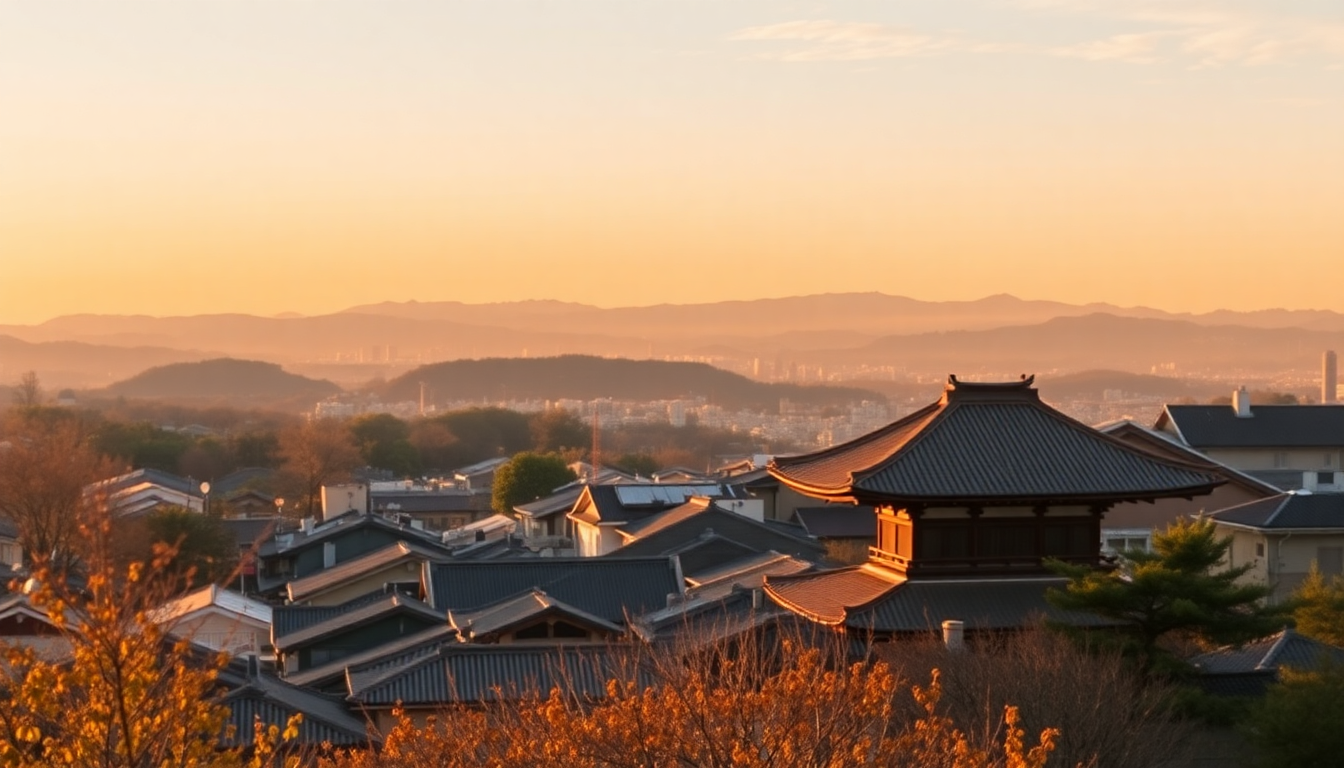
I’ve been to Kyoto four times now, and each trip taught me something new about where to lay your head. The first time I booked a cheap capsule hotel near Kyoto Station and regretted it—not because of the capsule, but because I spent 40 minutes on the bus every morning to reach the temples I actually wanted to see. Location in Kyoto isn’t just about convenience; it shapes your entire experience. Here’s what I learned about picking the right neighborhood for your budget and style.
Where should budget travelers stay in Kyoto?
For budget travelers, Higashiyama is the sweet spot. It’s walkable, scenic, and packed with affordable guesthouses and hostels. I stayed at K’s House Kyoto near Gojo Station—a clean, social hostel with private rooms starting around ¥4,000 per night. The neighborhood has cheap ramen shops and convenience stores, and you’re a 15-minute walk from Kiyomizu-dera Temple.
- K’s House Kyoto – Dorms from ¥2,500, private rooms from ¥4,000. Great common area.
- The Millennials Kyoto – A capsule hotel near Shijo Street with a free-flow beer hour. More of a social vibe.
- Guesthouse Kyoto Inn – Quiet, family-run, and close to the Higashiyama walking path.
If you’re on a shoestring, avoid staying near Kyoto Station. The hotels there are cheap, but you’ll spend time and money commuting. Higashiyama puts you right in the historic action.
What is the best neighborhood for first-time visitors?
Downtown Kyoto (Shijo-Kawaramachi area) is where I send every first-timer. It’s the city’s commercial heart—restaurants, shops, bars, and easy access to buses and subways. I booked a room at Hotel Gracery Kyoto Sanjo and could walk to Nishiki Market in five minutes, Pontocho Alley in ten. You don’t need a guidebook here; just step outside and explore.
- Hotel Gracery Kyoto Sanjo – Mid-range, clean rooms, right on the main shopping street.
- Solaria Nishitetsu Hotel Kyoto Premier – Slightly pricier, but the breakfast buffet is worth it.
- The Screen – Boutique hotel with a private onsen. Great for a splurge after a long flight.
The downside? It’s busy. Shijo Street can feel like Shibuya on a weekend. But for convenience and orientation, this neighborhood wins.
Where should I stay for a luxury experience in Kyoto?
For a splurge, Higashiyama (again) and Arashiyama offer the best high-end options. In Higashiyama, I loved Seikoro Ryokan—a traditional inn with tatami mats, kaiseki dinner, and a private onsen. It’s pricey (¥30,000+ per night), but you get a cultural experience, not just a bed.
- Seikoro Ryokan – Historic ryokan in Higashiyama. Book dinner in advance.
- Hoshinoya Kyoto – In Arashiyama, accessed by private boat. Unreal setting.
- The Ritz-Carlton Kyoto – Modern luxury on the Kamogawa River. Perfect for a special occasion.
Arashiyama is quieter and more scenic, but it’s a 30-minute train ride from downtown. If you want peace and bamboo groves at dawn, it’s worth the distance. If you want nightlife, stay in Higashiyama.
Which neighborhood is best for families or slow travelers?
Sakyo Ward (around the Philosopher’s Path) is my pick for families or anyone who wants a slower pace. It’s residential, leafy, and home to temples like Nanzen-ji and Eikan-do. I rented a small apartment near Keage Station and walked the canal path every morning. No crowds, no noise—just Kyoto at a calm rhythm.
- Kyoto Brighton Hotel – Reliable mid-range option with family rooms.
- Guesthouse Kamo – A small ryokan near the Kamo River. Simple but authentic.
- Philosopher’s Path – Free walking trail with cherry blossoms in spring.
The trade-off: fewer restaurants and shops. You’ll need to walk or bus to Shijo for dinner options. But if you’re traveling with kids or just want to decompress, this is the spot.
Is it better to stay near Kyoto Station?
Staying near Kyoto Station is practical, not pretty. I’ve done it twice—once for a late-night arrival, once for a quick layover. The area is a concrete jungle of business hotels and chain restaurants. The Hotel Granvia Kyoto is nice if you want direct access to the Shinkansen, but otherwise, I’d skip it.
- Hotel Granvia Kyoto – Connected to the station. Great for early departures.
- Kyoto Tower Hotel – Budget-friendly with a view. Rooms are tiny.
- Porta Underground Shopping Mall – Good for rain-day shopping and cheap eats.
Use Kyoto Station as a transit hub, not a home base. The bus system is excellent, and you can reach most neighborhoods in 20 minutes. But the station area itself lacks charm.
What about staying near Gion for nightlife and culture?
Gion is Kyoto’s famous geisha district, and it’s stunning at night—lantern-lit streets, ochaya (teahouses), and the occasional geiko sighting. I stayed at Gion Hatanaka, a ryokan with a multi-course kaiseki dinner and a private onsen. It’s expensive, but the experience is unforgettable.
- Gion Hatanaka – Traditional ryokan with cultural performances in the evening.
- Maana Kyoto – Modern boutique hotel with tatami rooms and a minimalist vibe.
- Gion Corner – Tourist show with geisha dances. Overpriced, but a quick cultural hit.
The catch: Gion is crowded during the day, and some streets ban photography. Also, restaurants here cater to tourists—expect higher prices for average food. I’d recommend Gion for one night of splurging, then move to a quieter neighborhood.
FAQ
Is it easy to get around Kyoto without a car? Yes. Kyoto’s bus system is extensive and covers all major attractions. The subway has two lines (Karasuma and Tozai) that connect downtown, Kyoto Station, and eastern neighborhoods. I used a prepaid ICOCA card for buses and trains—just tap and go. Avoid taxis; they’re expensive and get stuck in traffic.
What is the best time of year to visit Kyoto? Spring (late March to early April) for cherry blossoms and autumn (November) for fall colors. Both seasons are packed with tourists, so book hotels months in advance. Summer is hot and humid; winter is cold but empty of crowds. I prefer November—cool weather, fewer people than spring, and stunning red maple leaves.
How many days should I spend in Kyoto? Minimum three days: one for eastern temples (Kiyomizu-dera, Philosopher’s Path), one for western temples (Arashiyama, Kinkaku-ji), and one for downtown and Fushimi Inari. Five days is better if you want day trips to Nara or Uji. I did four days on my last trip and still felt rushed.
Conclusion
- Budget travelers – Stay in Higashiyama near K’s House Kyoto or The Millennials Kyoto for walking access to temples and cheap eats.
- First-timers – Base yourself in downtown Shijo-Kawaramachi for convenience and nightlife.
- Luxury seekers – Splurge on a ryokan in Higashiyama (Seikoro) or Arashiyama (Hoshinoya) for an authentic experience.
- Families – Sakyo Ward offers quiet, leafy streets and easy access to the Philosopher’s Path.
- Skip Kyoto Station unless you have a late arrival or early departure. It’s functional, not fun.