Where to Stay in Malé: Best Neighborhoods for Every Budget
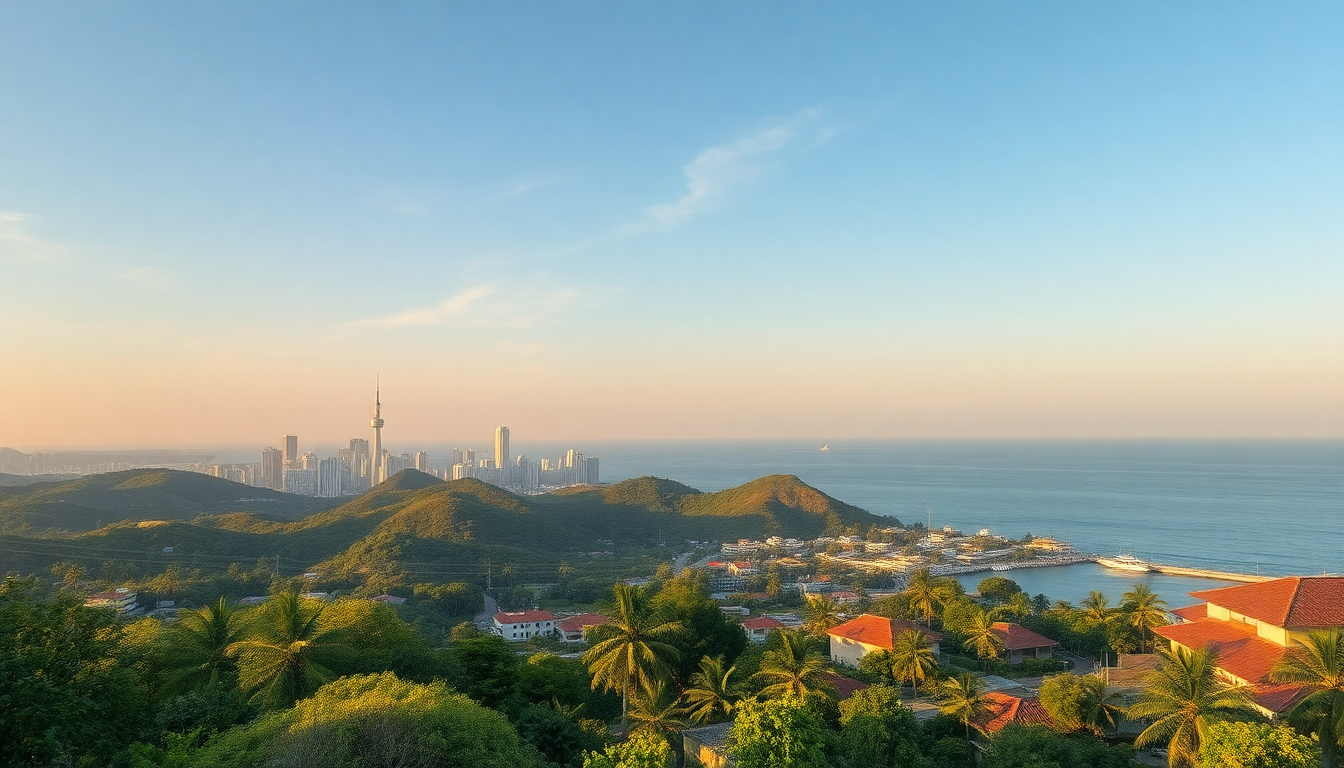
Most people skip Malé on their way to a resort, but I spent three days here before my overwater bungalow, and I’m glad I did. The capital is cramped, loud, and surprisingly alive—packed with fish markets, mosques, and some of the best street food I’ve had in the Indian Ocean. But where you sleep matters. The island is only 8 square kilometers, and neighborhoods shift from chaotic commercial hubs to quiet residential blocks within a ten-minute walk. This guide breaks down Malé’s five main areas by budget, vibe, and practical needs—so you don’t end up in a windowless room above a honking taxi stand.
What’s the Difference Between Malé and Hulhumalé?
A lot of visitors land at Velana International Airport and assume they’re in Malé. You’re not. The airport sits on its own island, Hulhulé, connected to the capital by a 15-minute ferry or a 10-minute taxi across the Sinamalé Bridge. Hulhumalé is a separate artificial island, built to relieve overcrowding in Malé. It’s newer, quieter, and has wider roads. If you want to be steps from the airport and prefer a more suburban feel, Hulhumalé makes sense. If you want to wake up to the chaos of the fish market and be walking distance to the National Museum, stay in central Malé itself.
- Hulhumalé is best for transit stopovers—hotels like The Avenue or Samann Hostel are modern and affordable.
- Malé proper is for travelers who want to experience real Maldivian life—narrow alleys, street food stalls, and the Local Market.
- The ferry between Malé and Hulhumalé runs every 15 minutes and costs about 10 MVR (less than a dollar).
Where to Stay in Malé on a Budget: Maafannu
I booked a room in Maafannu without knowing much about it, and it turned out to be the most authentic part of my trip. This is the residential heart of Malé, where guesthouses sit above corner shops and the call to prayer echoes through open windows. You won’t find chain hotels here. Instead, look for small guesthouses like Maafannu Inn or Casa Mia Maldives, where rooms start around $40–60 per night. Breakfast is usually included—simple roti, curry, and sweet black tea.
The trade-off is noise. Maafannu is dense. Scooters buzz past your window from 6 a.m., and kids play cricket in the alleys until late. Bring earplugs. But you’re also steps from Majeedhee Magu, the main shopping street, and a 15-minute walk to the Fish Market and Republic Square. If you’re on a strict budget, this is the neighborhood that gives you the most local flavor for the least cash.
- Budget guesthouses: $40–70 per night, often with shared bathrooms or simple en-suites.
- Pros: Cheap street food (try M. Six Cafe for short eats), close to local life.
- Cons: No beach access, limited dining options after 9 p.m.
Is Henveiru the Best Mid-Range Neighborhood?
Henveiru sits on the eastern edge of Malé, bordering the harbor. It’s where I found the sweet spot between price and comfort. Hotels here are slightly nicer than Maafannu’s guesthouses—think clean tiled floors, air conditioning that actually works, and a desk to work from. I stayed at Hotel Jen Malé (part of the Shangri-La group), which runs about $120–150 per night. It’s not fancy, but the rooftop pool and gym made the jet lag bearable.
Henveiru also puts you within a 10-minute walk of the Islamic Centre and the National Museum. The area feels less frantic than central Malé, with wider streets and a few parks. If you want a reliable mid-range option without the resort markup, this is your spot. Just avoid rooms facing Boduthakurufaanu Magu—the main road—unless you enjoy the sound of truck horns at 5 a.m.
- Mid-range hotels: $100–160 per night, typically with breakfast and Wi-Fi.
- Walking distance: Sultan Park, the Artificial Beach (a small man-made swimming area).
- Watch out: Traffic noise on the main arteries—ask for a room on the back side.
Where to Splurge in Malé: Hulhumalé’s Beachfront
If you’re coming to the Maldives for water and sand, staying in central Malé will disappoint. There’s no beach to speak of—just a seawall and a few rocky patches. That’s where Hulhumalé shines. The artificial island has a real, swimmable beach called Hulhumalé Beach, and a handful of hotels that feel like mini-resorts. I spent my last night at The Somerset Hotel, which has a pool, a rooftop bar, and rooms that start around $200. For the Maldives, that’s a steal.
Hulhumalé’s beachfront is still developing, so don’t expect turquoise water right off your balcony—the lagoon is shallow and a bit murky. But it’s clean enough for a dip, and sunset views over the airport runway are oddly cinematic. If you want to treat yourself without the price tag of a private island, book a room at Hulhumalé Inn or Ocean Grand. Both are within a five-minute walk of the beach and offer airport transfers for free.
- Splurge hotels: $180–300 per night, often with pools and sea views.
- Beach access: Hulhumalé Beach is public and free, though busy on weekends.
- Pro tip: Take the MTCC ferry back to Malé for dinner—last boat leaves around 10 p.m.
Is Villingili Worth Considering?
Villingili is a separate island, a 10-minute ferry from Malé’s main jetty. It’s mostly residential, with a few guesthouses and a small local beach. I visited for an afternoon and found it quieter than Hulhumalé but less convenient. There’s one main road, a handful of cafes, and a lot of construction. If you’re looking for peace and don’t mind being disconnected, the Villingili Guest House offers rooms for around $50–70. But you’ll need to ferry back to Malé for most meals and activities.
- Vibe: Sleepy, local, no nightlife.
- Best for: Solo travelers or couples who want to escape noise without paying resort prices.
- Downside: Limited food options—pack snacks.
What Should You Eat in Malé?
You didn’t ask, but I’m telling you anyway. Malé has some of the best street food I’ve eaten in Asia. Skip the hotel breakfast buffet and head to The Sea House on Boduthakurufaanu Magu for mas huni (shredded tuna with coconut and chili) and roshi. It’s cheap—under $5 for a full meal. For dinner, Sala Thai Restaurant on Fareedhee Magu serves solid curries and fried rice in an air-conditioned room. And if you’re craving something Western, Shell Beans on Majeedhee Magu does decent coffee and sandwiches.
- Must-try: Mas huni, garudhiya (fish soup), and short eats (samosas and fish cakes).
- Where to find it: The Local Market near the harbor has stalls selling fresh tuna and fried snacks.
- Avoid: Tourist cafes near the airport—overpriced and bland.
FAQ
Is Malé safe for solo travelers? Yes, I felt completely safe walking alone at night. Malé is a Muslim city, so dress modestly (cover shoulders and knees), but crime is low. The main risks are traffic and stray cats, not people.
How do I get from Malé to my resort? Most resorts arrange speedboat or seaplane transfers. If you’re staying in Malé first, your hotel can book a shared speedboat for around $50–100 per person. The airport ferry to Malé costs 10 MVR and runs 24/7.
Can I swim in Malé? Not really. The only swimable spot is the Artificial Beach on the eastern side—a small, man-made lagoon that’s crowded and shallow. For real swimming, take the ferry to Hulhumalé Beach or Villingili.
Conclusion
- Maafannu is your budget bet—cheap guesthouses, loud streets, and authentic local life.
- Henveiru offers mid-range comfort with easy access to museums and parks.
- Hulhumalé is the only neighborhood with a real beach and airport-adjacent luxury.
- Villingili works for solitude but requires ferry trips for food and activities.
- Book a room away from main roads if you value sleep over convenience.