Smart Day Trips from Porto: Douro Valley, Braga & Beyond
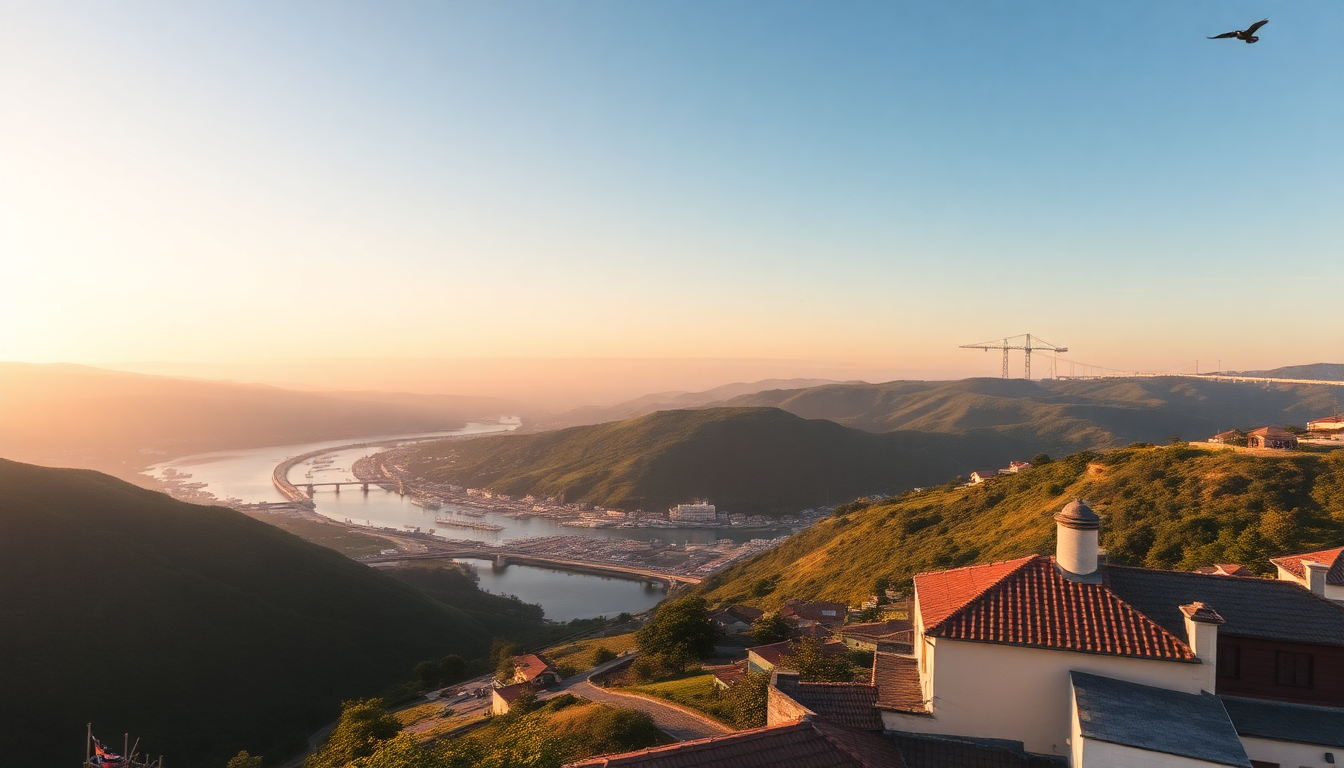
I spent a week based in Porto, and the best part was getting out of the city. The train stations and highways around Porto make it easy to escape the crowds and see a different side of northern Portugal. Here’s what actually worked, what didn’t, and where I’d go back tomorrow.
Why take a day trip from Porto instead of staying in the city?
Porto is compact and walkable, but after two days you’ve seen the Clérigos Tower, eaten a francesinha, and crossed the Dom Luís I Bridge twice. The real value of a Porto base is the surrounding region. The Douro Valley is an hour away by train, Braga is 40 minutes by car, and Guimarães is under an hour. You get more variety without packing your bags.
I’d recommend three full days in Porto proper, then two days for trips. That rhythm kept me from feeling rushed.
What is the best way to visit the Douro Valley?
The Douro Valley is the most popular day trip, and for good reason. The terraced vineyards along the river are stunning. But there’s a right way and a wrong way to do it.
- Wrong way: A bus tour that stops at three generic wineries and spends two hours at a crowded restaurant in Peso da Régua. You’ll see the valley through a window.
- Right way: Take the Linha do Douro train from Porto’s São Bento station to Pinhão. It’s a 2-hour ride along the river, and the views from the train are better than most tour buses. Pinhão itself is a tiny village with a tiled train station and a handful of family-run quintas (wine estates).
- My pick: Quinta do Seixo (Sandeman) in the Cima Corgo region. The tour is straightforward, the tasting room overlooks the river, and the port is excellent. Book ahead — they fill up by 11 AM.
- Where to eat in Pinhão: Restaurante Gata e Cão. Simple grilled fish and a good vinho verde for under €15. No frills, no tourist markup.
If you don’t want to drive, the train + walking option is the most flexible. A guided tour with a boat ride on the Douro River can be worth it if you want someone else to handle logistics, but skip the ones that promise “five wines” — they’re usually pouring the same cheap stuff.
Is Braga worth the trip from Porto?
Yes, but with one strong opinion: go on a Sunday morning. The city is quieter, the churches are less crowded, and the Bom Jesus do Monte sanctuary feels almost empty. On a weekday, the tourist buses from Porto arrive around 10 AM and turn the sanctuary into a queue.
- Bom Jesus do Monte: The baroque staircase with 577 steps is the main draw. I walked up (it’s a workout), but there’s a water-powered funicular that runs every 15 minutes. Take the funicular up, walk down.
- Braga’s old town: Start at Sé de Braga (the cathedral), then wander Rua do Souto. Stop at Café Vianna for a pastel de nata and a bica (espresso). It’s a local institution, not a tourist trap.
- Lunch option: Taberna Belga. Tiny, no reservations, and the bacalhau à Braga (cod with roasted potatoes) is the best I had in the north.
- How to get there: The train from Porto’s Campanhã station takes 40 minutes and costs €4 each way. The bus from Campo 24 de Agosto is cheaper but slower.
Braga is more about religious architecture and quiet squares than nightlife. If that sounds dull, skip it and go to Guimarães instead.
What about Guimarães — is it better than Braga?
Guimarães is the birthplace of Portugal, and it feels more like a living museum than a functioning city. The historic center is a UNESCO World Heritage site, and the castle is genuinely old (10th century). It’s a half-day trip, not a full day.
- Castelo de Guimarães: Climb the walls for a view of the city. It’s small — 30 minutes is enough.
- Paço dos Duques de Bragança: A palace built to look like a French manor. The tapestries inside are impressive, but the architecture is a 20th-century reconstruction. Worth it for the history, not the aesthetics.
- Where to eat: Tasca do Zé. A hole-in-the-wall with grilled alheira (smoked sausage) and potatoes. Cash only, around €10.
- Getting there: Train from São Bento to Guimarães station, 1 hour. Then a 15-minute walk uphill to the castle.
My take: Guimarães is a better cultural trip, Braga is a better visual trip. If you only have one day, pick based on what you care about.
Can you do a beach day trip from Porto?
Yes, but the water is cold and the wind is constant. I tried Matosinhos and Vila do Conde. Matosinhos is a 20-minute metro ride from Porto’s Trindade station, and the beach is wide and sandy. The real draw here is the seafood — the fishing port means fresh sardinhas and polvo à lagareiro (octopus with olive oil and potatoes).
- Best beach for swimming: Praia de Ofir, near Esposende. It’s a 40-minute drive north, and the water is calmer because of the river mouth.
- Best beach for walking: Praia do Cabedelo, near Vila do Conde. Long stretch, fewer people, and a decent surf break.
- Where to eat in Matosinhos: O Valentim. A no-menu restaurant where they bring whatever the fishermen caught that morning. Grilled sea bass, boiled potatoes, and a carafe of white wine. €20 for two people.
- Getting there: Metro line A from Porto to Matosinhos Sul, about 25 minutes.
Honestly, if you’re from a coastal area, the beaches near Porto won’t blow you away. The Douro Valley or Braga are better uses of a day.
Which day trip is best for wine lovers?
The Douro Valley is the obvious answer, but I’d add a twist. Instead of the typical Pinhão route, take the train to Peso da Régua and then a taxi to Quinta do Vallado. This quinta has a modern hotel attached, a pool, and a wine shop that sells bottles you can’t find in Porto. The tasting room is relaxed, and the staff let you linger.
- Quinta do Vallado: Book the “Vallado Experience” — a guided walk through the vineyards followed by a tasting of three reds and a port. €30 per person.
- Alternative for budget travelers: Quinta do Infantado. A small, family-run estate in Pinhão. No frills, but the tawny port is fantastic and the tasting is €10.
- Where to stay if you want to overnight: Six Senses Douro Valley in Lamego. It’s expensive (€400+ a night), but the spa and river views justify it for a splurge.
If you only have one day, start early (7 AM train from São Bento), arrive in Pinhão by 9:30, visit two quintas, eat lunch, and catch the 4 PM train back. That’s a full, satisfying day.
FAQ
How do I get from Porto to the Douro Valley without a car? Take the Linha do Douro train from São Bento station to Pinhão or Peso da Régua. Trains run hourly, and the ride is scenic. Buy a round-trip ticket at the station — it’s cheaper than booking online. Avoid the tourist trains (like the “Douro Historical Train”) unless you want a vintage carriage; the regular regional train is faster and costs €6 each way.
Is it worth visiting the Douro Valley in winter? Yes, but manage expectations. The vineyards are brown, and some quintas close for the season. What you get instead is empty trains, cheaper tastings, and fog over the river that looks like a painting. Quinta do Seixo and Quinta do Vallado stay open year-round. Bring a warm coat — the valley is colder than Porto.
Can I combine Braga and Guimarães in one day? Technically yes, but I wouldn’t. They’re 25 minutes apart by car, but both deserve a half-day. A combined trip means rushing through Braga’s cathedral and skipping Guimarães’ castle. If you have to pick one, choose Braga for the architecture or Guimarães for the history. Save the other for a second trip.
Conclusion
- Best for first-timers: Douro Valley via train to Pinhão. Easy, scenic, and flexible.
- Best for history buffs: Guimarães. The castle and palace are genuinely old and well-preserved.
- Best for architecture lovers: Braga. Bom Jesus do Monte is worth the trip alone.
- Best for food: Matosinhos. Grilled seafood at O Valentim is a meal you’ll remember.
- Best for wine: Quinta do Vallado in the Douro Valley. Book the Vallado Experience and buy a bottle of their Late Bottled Vintage port to take home.