10 Day Spain Itinerary: Barcelona, Madrid, Seville & Granada
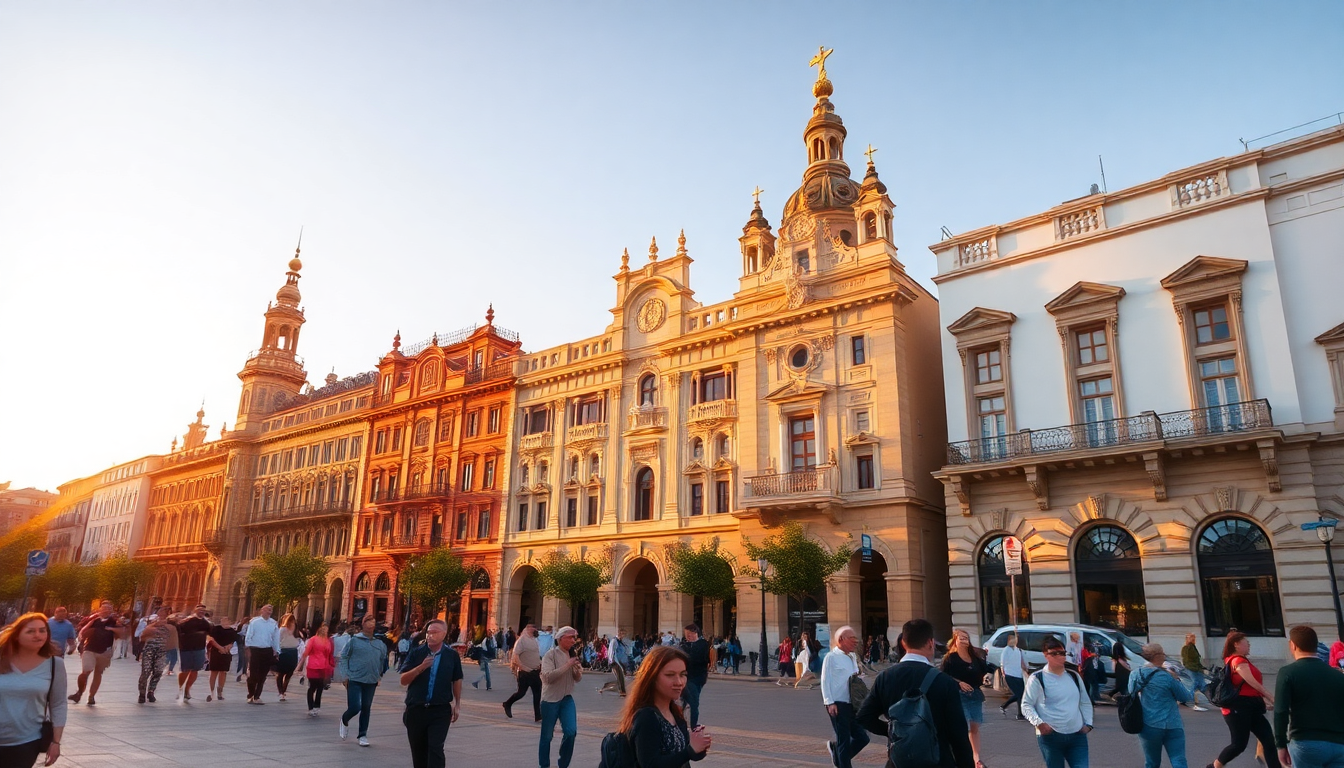
I spent ten days racing through Spain’s four biggest cultural cities, and I’ll be honest: it’s tight. But with high-speed trains and a bit of planning, you can hit Barcelona, Madrid, Seville, and Granada without feeling like you spent the whole trip on a platform. Here’s exactly how I did it—trains, hotels, food, and what I’d skip next time.
Is 10 days enough for Barcelona, Madrid, Seville, and Granada?
Barely, but yes—if you move by train and don’t try to see everything. I used Renfe’s AVE trains for the long legs (Barcelona to Madrid, Madrid to Seville) and a slower regional for Seville to Granada. Each city deserves three days alone, but you can get a strong taste in two. I’d rather see four cities well than two cities rushed, and this itinerary gave me exactly that.
What’s the best route and how do I get between cities?
Start in Barcelona, then train to Madrid, then south to Seville, and finish in Granada. Fly out of Granada’s small airport or train back to Madrid for your departure.
- Barcelona to Madrid: 2h30m on the AVE train. Book on Renfe’s website two months early for the best fares.
- Madrid to Seville: Another AVE, about 2h45m. I paid €45 one-way in advance.
- Seville to Granada: No AVE here—took a 3-hour regional train through olive groves. Cheap (€20) but book a seat.
- Granada back to Madrid: Direct AVE, 3h30m. I flew out of Granada instead—faster and cheaper.
Where should I stay in each city?
I prioritize location over luxury. In Barcelona, Hotel Colón next to the cathedral saved me metro time. In Madrid, Room Mate Alba in the Chueca neighborhood put me steps from great tapas bars. Seville’s Hotel Palacio de Villapanés is a converted 18th-century palace with a courtyard pool—worth the splurge. In Granada, Hotel Casa 1800 sits right by the Alhambra entrance, which matters when your ticket slot is 8:30 AM.
What are the unmissable things to do in each city?
I skipped a few famous spots that felt too crowded (looking at you, Park Güell) and focused on what actually delivered.
Barcelona (Days 1-2)
- La Sagrada Família: Book the “Passion Façade” tour for fewer crowds. Go at 9 AM.
- Gothic Quarter: Get lost in the narrow streets around Plaça Reial—my favorite morning walk.
- Mercat de la Boqueria: Overpriced for tourists, but the jamón ibérico at Pinotxo Bar is worth the queue.
- Barceloneta Beach: Quick dip, then lunch at Can Majó for paella. Don’t order it anywhere else—most tourist spots serve frozen stuff.
Madrid (Days 3-5)
- Prado Museum: Go straight to Goya’s “Black Paintings” and Velázquez’s “Las Meninas.” Two hours max.
- Retiro Park: Rent a rowboat on the lake, then walk to the Palacio de Cristal.
- Mercado de San Miguel: Touristy but fun for a glass of vermut and a plate of croquetas.
- Chueca neighborhood: Dinner at Sala de Despiece for inventive tapas. No menu—they just bring plates.
Seville (Days 6-7)
- Real Alcázar: Book tickets online weeks ahead. The gardens are better than the palace rooms.
- Plaza de España: Go at sunset when the light hits the tiles. Free and stunning.
- Santa Cruz neighborhood: Get lost in the whitewashed alleys. Stop at La Azotea for sherry and fried eggplant.
- Flamenco at Casa de la Memoria: Small venue, real dancers. Skip the dinner shows—this one is just the performance.
Granada (Days 8-10)
- Alhambra: The only thing you absolutely must book months in advance. Spend at least three hours in the Nasrid Palaces.
- Albaicín neighborhood: Climb to Mirador de San Nicolás for the postcard view of the Alhambra with the Sierra Nevada behind it.
- Free tapas bars: Granada gives you a free plate with every drink. Hit Bodegas Castañeda for jamón and local wine.
- Sacromonte: The cave houses are real—walk up early before the tourist vans arrive.
What should I eat and where?
Spanish food is regional, not national. Don’t order paella in Madrid or gazpacho in Barcelona.
- Barcelona: Can Culleretes for traditional Catalan cuisine (oldest restaurant in the city). La Boqueria for a jamón and cheese plate.
- Madrid: Casa Toni for callos (tripe stew) if you’re brave. Chocolatería San Ginés for churros at 2 AM.
- Seville: El Rinconcillo (oldest bar in town) for montaditos and manzanilla sherry. Bar Alfalfa for modern tapas.
- Granada: Los Diamantes for fried fish. La Tana for wine and cheese—they have a 40-page wine list.
Is the Alhambra worth the hype?
Yes, but only if you book. I got a ticket for the Nasrid Palaces exactly two months before my visit—they sold out within hours. The rest of the complex (Generalife gardens, Alcazaba fortress) is less crowded but still beautiful. My honest take: the Alhambra is the best single attraction in Spain, but half the magic is the view from the Albaicín looking at it from across the valley.
FAQ
How do I avoid long lines at major attractions? Book everything online before you leave. For the Alhambra and Sagrada Família, set a calendar reminder exactly 60 days out. For the Prado and Real Alcázar, book at least two weeks ahead. I never waited more than 15 minutes at any ticket-check line.
Should I rent a car in Spain? No. The AVE train network is faster and cheaper than driving between these four cities. Parking in city centers is a nightmare—I saw €40/day lots in Seville. Use trains and walk or take the metro (Barcelona and Madrid have excellent systems).
What’s the best time of year for this trip? April–May or September–October. I went in late April and had 70°F days with thin crowds. July and August are brutally hot (Seville hits 100°F) and packed with tourists. Winter is cheaper but cold in Madrid and Granada.
Conclusion
- Trains over cars: Renfe AVE connects all four cities cheaply if you book early.
- Book the Alhambra and Sagrada Família first: These sell out weeks ahead.
- Eat regionally: Paella in Barcelona, tapas in Madrid, sherry in Seville, free plates in Granada.
- Three nights per city: Two in Barcelona, two in Madrid, two in Seville, two in Granada—with travel days in between.
- Skip Park Güell and the flamenco dinner shows: Both are overcrowded and overpriced.