Best Time to Visit Spain: A Month-by-Month Guide
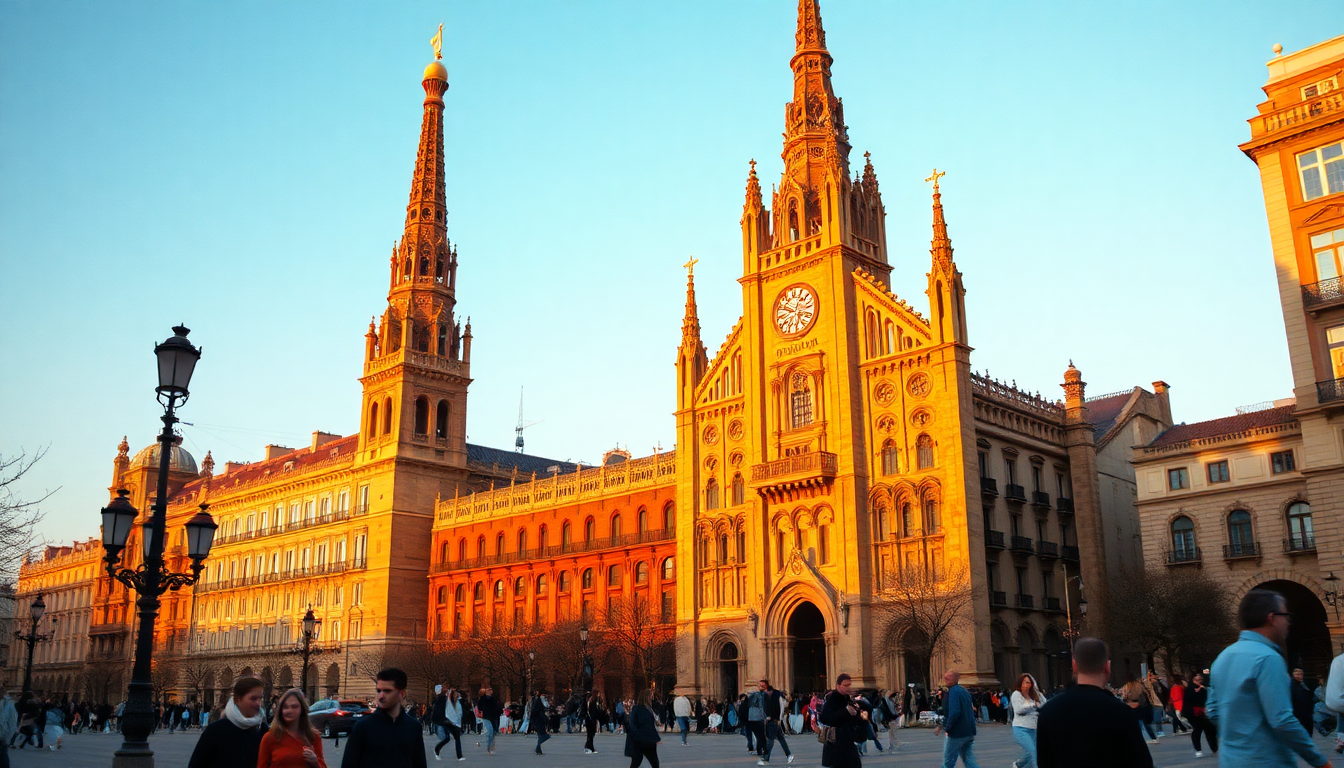
I’ve been to Spain four times now, and every trip felt like a completely different country depending on when I showed up. July in Seville is brutal in a way that’s hard to explain until you’ve felt it. February in Barcelona is actually pleasant if you pack smart. This guide cuts through the generic “spring and fall are best” advice and tells you exactly what to expect in each city, month by month.
When is the best time to visit Spain overall?
Late spring (April to June) and early fall (September to October) are the sweet spots for most travelers. The weather is warm enough for sightseeing without the oppressive heat that hits the southern cities in July and August. Crowds are present but manageable, and prices for hotels like Hotel Colón in Seville or Room Mate Anna in Barcelona are about 20-30% cheaper than peak summer.
That said, “best” depends entirely on what you want. If you’re heading to San Sebastián for pintxos and beaches, you need August. If you want Madrid’s museums without queueing for an hour, go in January. I’ve done both, and I’d take winter Madrid over summer Madrid any day.
What is the weather like in Barcelona by season?
Barcelona is a coastal city, so it avoids the extreme inland temperatures of Madrid or Seville. But it’s not the Mediterranean paradise people imagine year-round.
- Spring (March-May): My favorite time. Temperatures sit in the high 60s to low 70s. We walked from La Boqueria to Barceloneta without sweating. The Mercè Festival in late September is a local highlight, but spring has fewer tourists.
- Summer (June-August): Hot and humid. The beaches at Nova Icària are packed by 10 AM. Air conditioning in budget hotels is weak—we stayed at Hostel One Paralelo and the room never dropped below 80°F at night.
- Fall (September-November): Still warm in September, but October brings rain. The Picasso Museum is a good rainy-day fallback. November is quiet and cheap.
- Winter (December-February): Chilly but sunny. Highs around 55°F. The Sagrada Família line is the shortest I’ve ever seen it. We grabbed hot chocolate at Granja Viader and it felt perfect.
How does the heat affect a trip to Seville?
Seville is the hottest city in mainland Spain, and it’s not close. I made the mistake of visiting in late July once. The Alcázar gardens were stunning, but I couldn’t stay outside for more than 20 minutes between 1 PM and 5 PM. The heat is dry and relentless.
- Avoid June through August unless you’re fine with indoor activities and siesta-style pacing. The Plaza de España is beautiful at 8 PM, but at 2 PM it’s an oven.
- Spring (March-May) is ideal for Semana Santa (Easter week) processions, but book hotels like Hotel Palacio de Villapanés a year ahead. The crowds are insane.
- Fall (October-November) is my personal pick. We did a tapas tour through Triana neighborhood in mid-October—still warm enough for a terrace, but no sweat. Feria de Abril happens in late April, which is another huge festival.
- Winter (December-February) is mild, 50-65°F. The Metropol Parasol is a great viewpoint without the summer queue.
When should I visit Madrid to avoid the worst crowds?
Madrid is a high-altitude city, so summers are hot but dry, and winters are cold but sunny. The biggest crowd issue is the Prado Museum and Royal Palace—both are packed year-round, but July and August are a nightmare.
- January and February are the quietest months. The Prado has free entry in the evenings, and we walked right in. The Rastro flea market on Sundays is less shoulder-to-shoulder.
- Spring (April-May) is busy but pleasant. Retiro Park is in full bloom. Chueca neighborhood has great outdoor dining.
- Summer (June-August) is when locals flee to the coast. The city feels empty in a good way, but the heat can hit 100°F. We stayed at The Hat Madrid near Plaza Mayor—the rooftop bar was essential.
- Fall (September-November) is wine harvest season. Day trips to Toledo or Segovia are less crowded. Mercado de San Miguel is still touristy, but manageable.
What about the shoulder seasons in Spain?
April, May, September, and October are the golden months. You get good weather, reasonable prices, and fewer tourists than June or July. But there are trade-offs.
- April has Semana Santa (Easter) which shuts down Seville and Granada for processions. It’s amazing to see, but hotels triple in price. We paid €250 a night for a basic room at Hotel Alcázar de la Reina in Seville.
- May is perfect for Córdoba’s Patio Festival—the flowers are incredible. Barcelona is busy but not insane.
- September is still summer in the south. Valencia’s beaches are warm, and the Paella is fresh. San Sebastián has the International Film Festival, which makes hotel rates spike.
- October is my favorite month overall. Madrid’s Museo Reina Sofía is quiet, Bilbao’s Guggenheim has shorter lines, and Málaga is still warm enough for a swim.
Is winter a bad time to visit Spain?
Not at all, but you need to choose your cities wisely. Winter in Spain is regional—coastal spots are mild, inland cities are cold.
- Barcelona in December is festive. The Fira de Santa Llúcia Christmas market at the cathedral is charming. We stayed at Hotel Barcelona Universal for €80 a night.
- Madrid in January is cold (40-50°F) but sunny. The Plaza Mayor has a Christmas market through early January. Churros at Chocolatería San Ginés are a must.
- Seville in February can hit 70°F on a good day. The Alcázar gardens are green. Granada’s Alhambra is less crowded, but it snows in the Sierra Nevada mountains nearby.
- San Sebastián in winter is rainy and gray. Skip it unless you’re there for the Gastronomika food congress.
FAQ
Is August really that bad in Spain? Yes, for Seville, Madrid, and inland Andalusia. The heat is oppressive, and many locals leave for the coast. But if you’re heading to Costa del Sol (Málaga, Marbella) or San Sebastián, August is peak beach season and the vibe is great. Just expect crowds and high prices.
Should I book tours in advance or can I show up? Always book popular attractions like the Alhambra or Sagrada Família weeks ahead, especially in spring, summer, and fall. I showed up to the Alhambra in May without a ticket and spent the afternoon in a park instead. Use official sites or reputable resellers—not random street kiosks.
What’s the cheapest month to fly to Spain? January and February, hands down. Flights from the US and UK drop 40-50% compared to July. Hotels in Barcelona and Madrid are also at their lowest. The trade-off is shorter daylight hours and colder weather, but if your goal is museums and food, it’s a steal.
Conclusion
- For heat-haters: Visit in April, May, September, or October. Avoid Seville and Madrid in July-August.
- For beach lovers: June and September are the sweet spots—warm water, fewer crowds than August.
- For budget travelers: January and February offer the lowest prices on flights and hotels like Hotel Indigo Madrid.
- For festival seekers: Plan around Semana Santa (March-April), Feria de Abril (April), or La Mercè (September).
- For museum fans: Winter in Madrid or Barcelona means short lines at the Prado and Picasso Museum.