Best Day Trips from Chiang Mai: Doi Inthanon, Chiang Rai & Elephants
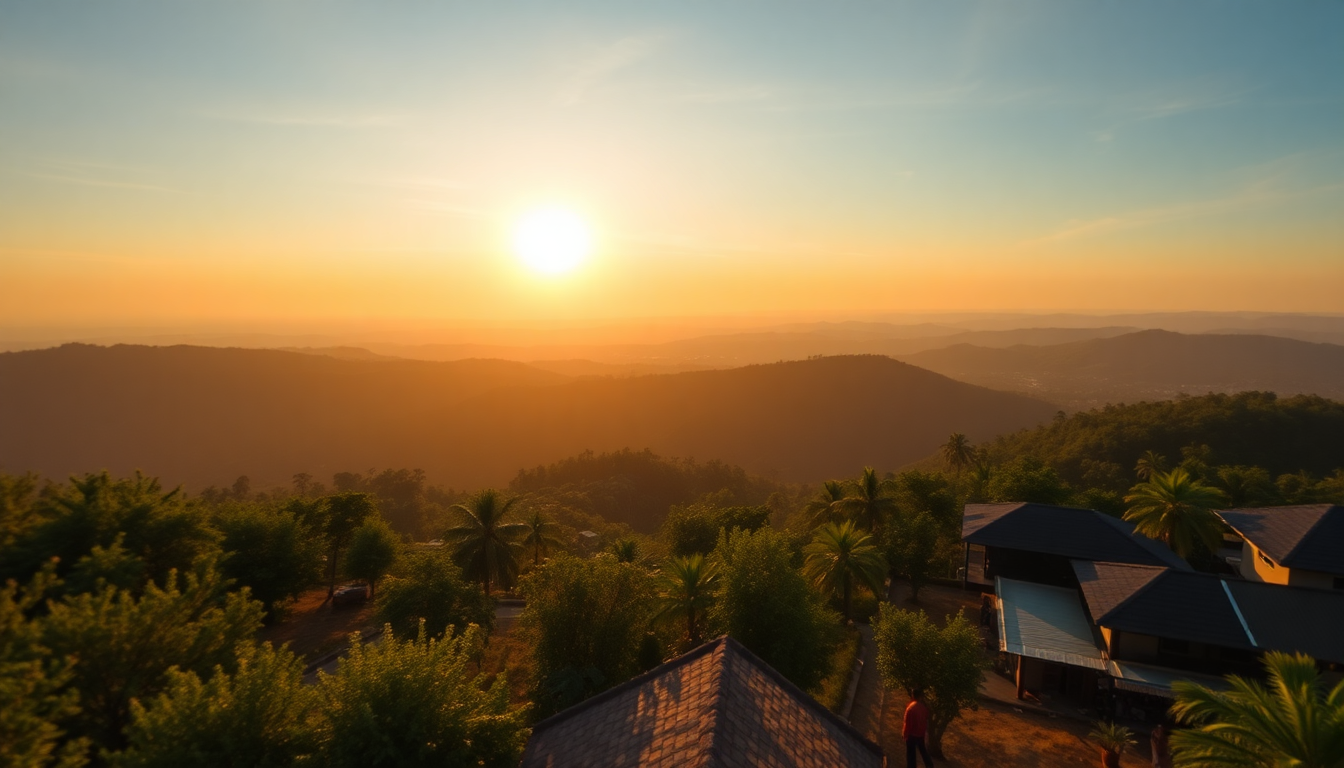
I spent a month based in Chiang Mai’s Old City, and every few days I’d roll out for a day trip. Three routes stood out as genuinely worth the early alarm: the cool heights of Doi Inthanon, the white-and-blue temple spectacle in Chiang Rai, and a morning with rescued elephants. Here’s what I learned about each, including the logistics that can make or break your day.
How do you get to Doi Inthanon National Park from Chiang Mai?
The park is about a 90-minute drive southwest of town, and you’ll want to leave by 6 AM to beat the tour buses and the afternoon haze. I hired a private driver through my guesthouse for 1,500 baht round-trip, which felt steep until we hit the switchbacks and I realized I wasn’t navigating them myself. You can also join a group tour from Chiang Mai’s Old City for around 800 baht, but those pack 12 people into a van and rush the stops.
Once inside, the main draw is Doi Inthanon Summit, Thailand’s highest point at 2,565 meters. It’s not a hike — you walk 200 meters from the parking lot to a viewpoint. On a clear morning, the views over the Ping River Valley are solid, but honestly, the real reason to come is the twin Royal Pagodas (Naphamethinidon and Naphaphonphumisiri). They’re perched near the summit, surrounded by manicured gardens that feel more like a palace courtyard than a mountain peak. Entry is 300 baht for foreigners.
- Ang Ka Luang Nature Trail: A short, boardwalk loop through misty cloud forest. Takes 30 minutes. Look for rhododendrons and moss-covered trees.
- Wachirathan Waterfall: Loud, powerful, and crowded by 10 AM. Stop here on the way up, not the way down.
- Mae Klang Luang Village: A Karen hill-tribe settlement where you can grab a coffee and walk through terraced rice fields. The Hom Doi Café here serves a decent iced latte for 60 baht.
Is the Chiang Rai day trip worth the long drive?
It’s a three-hour drive each way from Chiang Mai, so you’re committing to six hours on the road. I did it as a private car hire (2,500 baht with a driver from Chiang Mai Arcade Bus Station area), and I’d recommend that over a minibus tour — you control the stops and the AC. The highway is straight and well-paved, but the monotony is real. Bring podcasts.
The star is Wat Rong Khun (the White Temple). It’s free to enter, but the crowds are relentless by 10 AM. I arrived at 8:30 AM and had the bridge to myself for about ten minutes. The temple itself is a contemporary art piece by Chalermchai Kositpipat, not a historical site — think mirrored mosaics, surreal murals inside (I spotted Spider-Man and Neo from The Matrix), and a gleaming white facade that photographs well. Go early or skip it.
- Wat Rong Suea Ten (Blue Temple): Smaller, less crowded, and free. The interior is a deep ultramarine with a giant white Buddha. I liked it more than the White Temple.
- Baan Dam Museum (Black House): An artist’s compound of dark wooden structures filled with animal bones and taxidermy. Not for everyone, but it’s a striking contrast to the White Temple.
- Night Bazaar in Chiang Rai City: If you stay for dinner, the Khao Soi at Khao Soi Phor Jai (near the clock tower) is better than any bowl I had in Chiang Mai.
What should I look for in an ethical elephant sanctuary?
This is the day trip that requires the most research. Avoid any place that offers rides, shows, or bathing with chains — those are red flags. I visited Elephant Nature Park (about 90 minutes north of Chiang Mai) on a full-day tour booked through my hotel for 2,500 baht. The model is observation-based: you feed the elephants, walk with them, and watch them roam a large, forested valley. No hooks, no commands, no “tricks.”
The park was founded by Sangduen “Lek” Chailert, and it houses about 80 rescued elephants. The day starts with a briefing, then you prepare fruit (watermelons, bananas) and feed the elephants from a wooden platform. After lunch, you walk down to the river and watch them bathe on their own terms — some wade in, others just stand in the mud. It’s not a spectacle; it’s just elephants being elephants.
- Elephant Jungle Sanctuary: A cheaper option (around 1,800 baht) with multiple locations. I didn’t go, but friends said the one in Mae Wang was ethical, though more touristy.
- Ran-Tong Save & Rescue Elephant Centre: Smaller than ENP, with direct interaction (feeding, mud spa). I’ve heard mixed reviews about the mud bath part — some say it’s too hands-on.
- What to avoid: Any tour that lists “elephant riding” or “elephant show” in the itinerary. If the price is under 1,500 baht, it’s likely a bad operation.
What is the best way to book these day trips?
I booked most of my trips through Chiang Mai’s Old City tour shops along Ratchadamnoen Road. The prices are negotiable, and you can compare three shops in ten minutes. For Doi Inthanon, I paid 800 baht for a shared van tour that included pickup, lunch, and the park fee — it was fine, but the driver rushed us. For Chiang Rai, I hired a private car through Thai Happy Taxi (found them on Facebook) for 2,500 baht, which felt like a steal for a full day.
If you want to book online, GetYourGuide has well-reviewed options, but you’ll pay a 20% markup. For a private driver, I’d use Grab to get a quote for a full-day hire — just message the driver directly after the first ride. The Chiang Mai Tour Guide Association near Tha Phae Gate also has a list of licensed drivers.
- Booking tip: Always confirm if park entry fees (Doi Inthanon is 300 baht for foreigners) are included in the tour price. Many budget tours exclude them.
- Timing: Book at least one day in advance for private drivers. Group tours can be booked the night before.
When is the best time of year for these day trips?
I went in late November, which is the sweet spot. The cool season (November to February) brings clear skies and temperatures around 25°C in Chiang Mai, dropping to 10°C at Doi Inthanon summit. Pack a jacket for the mountain. Chiang Rai is warmer but still pleasant. The elephant sanctuaries are muddy but manageable.
Avoid March to May — that’s burning season, when farmers clear fields and the air turns toxic. The Ping River Valley views vanish into a brown haze, and the temples look dull. Rainy season (June to October) brings green landscapes but afternoon downpours that can wash out the Doi Inthanon trail. I’d skip Chiang Rai in July — the three-hour drive in heavy rain is miserable.
- November: Best for Doi Inthanon (clear summit views) and Chiang Rai (cool mornings).
- December to February: Crowded at all three spots. Book private transport.
- June to October: Doi Inthanon is lush but slippery. Elephant parks are muddy — bring spare shoes.
FAQ
How far is Doi Inthanon from Chiang Mai? About 90 minutes by car, depending on traffic. The drive is mostly highway until the last 20 kilometers of winding mountain road. A shared van tour takes about two hours with pickup stops.
Can I do both Doi Inthanon and Chiang Rai in one day? Technically yes, but I wouldn’t. Doi Inthanon is southwest of Chiang Mai, and Chiang Rai is north — you’d spend eight hours driving. Pick one per day. If you’re short on time, choose Chiang Rai for the temples.
Are elephant sanctuaries safe for kids? Yes, at ethical parks like Elephant Nature Park. Kids over five can feed and walk with elephants under supervision. Avoid places that encourage unsupervised bathing — elephants are large and unpredictable.
Conclusion
- Doi Inthanon is best for a cool, quiet morning — hit the summit and Royal Pagodas before 9 AM, then skip the crowded waterfall.
- Chiang Rai demands a full day — book a private driver, arrive at Wat Rong Khun by 8:30 AM, and don’t skip the Blue Temple for a quieter alternative.
- Ethical elephant sanctuaries cost more (2,000+ baht) but are worth it — avoid anything under 1,500 baht and never book a “riding” tour.
- Book private transport for Chiang Rai and Doi Inthanon — shared vans rush you through the best spots.
- Visit in November for the best balance of clear weather and low crowds.