Best Beaches in Turkey: Antalya, Bodrum, and Fethiye Guide
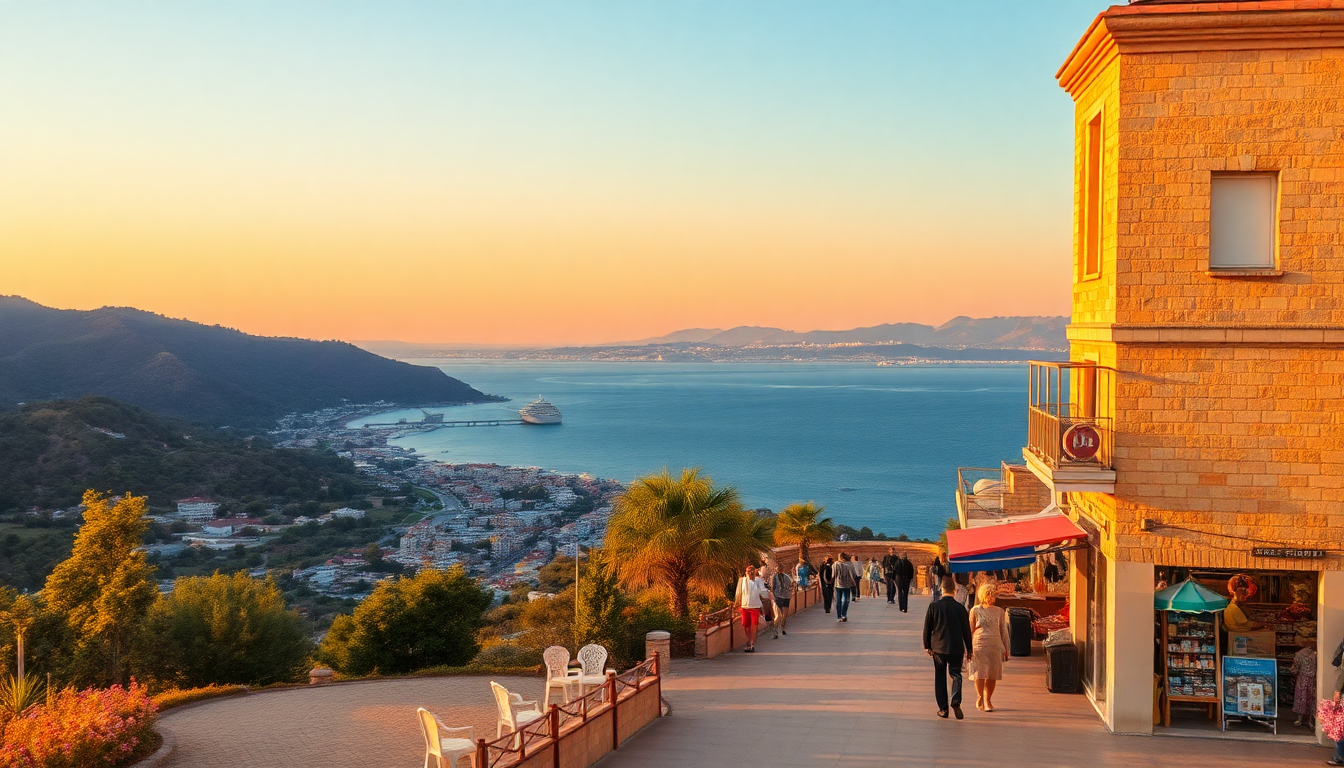
I spent three weeks hopping between Antalya, Bodrum, and Fethiye, and I’m here to tell you which beaches are actually worth your time—and which ones you can skip. This isn’t a list of every sandy stretch; it’s the practical, no-nonsense breakdown I wish I’d had before I booked.
What makes Antalya’s beaches different from Bodrum and Fethiye?
Antalya’s coastline is long, developed, and backed by the Taurus Mountains. The city itself feels like a resort hub, with pebble beaches dominating the urban stretch. The real gems are just outside town. Konyaaltı Beach is a wide pebble-and-sand strip with a long promenade—great for sunset walks, but the water gets deep fast, so it’s not ideal for small kids. We grabbed lunch at 7 Mehmet, a local institution famous for its meze and grilled sea bass, a ten-minute drive inland.
Lara Beach is the opposite: fine sand, shallow entry, and lined with all-inclusive hotels. It’s fine for a lazy day, but the waves can be choppy. If you want something quieter, head east to Olympos Beach, a pebble cove near the ancient ruins. There’s no shade, so bring an umbrella. The nearby treehouse hostels (like Kadir’s Tree House) give it a backpacker vibe that’s refreshingly low-key.
- Konyaaltı Beach – pebbles, promenade, sunset views
- Lara Beach – sand, family-friendly, hotel strip
- Olympos Beach – pebbles, ruins, backpacker energy
Is Bodrum all about party beaches, or are there quiet spots?
Bodrum has a reputation for nightlife, but the peninsula has plenty of calm coves if you know where to go. Ortakent Beach (also called Yahşi) is a long, sandy stretch popular with local families. The water is shallow and warm, and the beach clubs here are more relaxed than in central Bodrum. We spent an afternoon at Mimoza Beach Club—sunbeds were 50 lira, and the grilled octopus was better than anything I ate in town.
Bitez Beach is another family-friendly option, with calm waters and a few decent fish restaurants right on the sand. Avoid Gümbet if you’re not into loud music and inflatable water parks. For something wilder, take a dolmuş to Çökertme, a remote cove about 40 minutes west. No sunbeds, no restaurants, just pebbles and turquoise water. Bring your own supplies.
- Ortakent Beach – sand, shallow, local vibe
- Bitez Beach – calm water, fish restaurants
- Çökertme – remote, pebbles, bring your own food
What’s the best beach in Fethiye for swimming and scenery?
Fethiye’s coastline is dominated by the famous Ölüdeniz lagoon, and yes, it’s as blue as the photos. The main beach is pebbly and crowded, but the water is absurdly clear. Rent a sunbed at Belcekız Beach for 60 lira and spend the morning swimming. The real trick is to hike up to Butterfly Valley viewpoint—it’s a 20-minute uphill walk from the beach, and the aerial view of the lagoon is worth the sweat.
For a quieter swim, drive 15 minutes south to Çalış Beach. It’s a long, pebbly shore with a wooden promenade lined with restaurants. The sunset here is famous, and the water is shallow for a good 50 meters out. We ate at Seaside Restaurant, where the fried calamari and rakı hit the spot after a day in the sun.
- Ölüdeniz – iconic lagoon, pebbly, paragliding hub
- Butterfly Valley viewpoint – hike for the photo
- Çalış Beach – long promenade, shallow water, sunset dinners
Which beach town has the best food near the shore?
Honestly, Fethiye wins this one. The town’s fish market lets you buy fresh catch from the stalls, then take it to one of the surrounding restaurants to be grilled for a small fee. We did this at Meydan Balık, and the whole meal—sea bream, salad, rakı—cost about 200 lira for two people.
In Bodrum, Köşe Restaurant in Bitez serves a mean çöp şiş (minced lamb skewers) with a sea view. In Antalya, skip the beachfront tourist traps and walk inland to Piyazcı Sami, a no-frills spot specializing in piyaz (white bean salad) and köfte. It’s cheap, fast, and authentic.
- Fethiye Fish Market – buy, grill, eat for cheap
- Köşe Restaurant – Bitez, sea view, lamb skewers
- Piyazcı Sami – Antalya, local piyaz and köfte
When is the best time to visit these beaches?
June and September are the sweet spots. July and August are scorching (40°C is common) and packed with tourists. In June, the water is warm enough to swim, and the crowds haven’t hit full force. September is even better: the sea is at its warmest, the sun is still strong, and prices drop. I visited in early June and had Ölüdeniz almost to myself on a weekday morning.
May and October are gamble months. May can be windy, especially in Bodrum, and some beach clubs don’t open until June. October is still warm, but the evenings cool off fast, and some restaurants in Fethiye start closing mid-month.
- June – warm water, low crowds, good deals
- September – peak sea temp, fewer tourists, lower prices
- Avoid July–August – heat, crowds, inflated prices
FAQ
Is it safe to swim at all these beaches? Yes, all the beaches I’ve listed have lifeguards during summer months, and the water is generally calm. Ölüdeniz and Çalış are especially safe for families with kids because of the shallow entry. Avoid swimming near boat traffic in the main lagoon at Ölüdeniz.
Do I need to rent a car to reach the best beaches? Not necessarily. In Antalya, dolmuşes run along the coast to Konyaaltı and Lara. In Bodrum, minibuses connect Ortakent and Bitez easily. Fethiye’s Ölüdeniz is a 20-minute dolmuş ride from town. Çökertme and Butterfly Valley are harder to reach without a car or a taxi.
Are there entrance fees for beaches in Turkey? Most public beaches are free to access. Beach clubs and organized sunbed areas charge for loungers and umbrellas (typically 50–100 lira per set). Ölüdeniz’s main beach has a small entrance fee during peak season—around 10 lira per person.
Conclusion
- Antalya is best for a mix of city life and beach access; Konyaaltı for walks, Lara for sand, Olympos for a rustic escape.
- Bodrum offers both party strips and quiet coves; stick to Ortakent and Bitez for family-friendly swimming, skip Gümbet.
- Fethiye has the most dramatic scenery; Ölüdeniz is a must-see, but Çalış Beach is better for a calm afternoon with good food.
- June and September are the ideal months—avoid July and August unless you love crowds and heat.
- Eat local—the fish market in Fethiye and Piyazcı Sami in Antalya are worth going out of your way for.