Best Time to Visit Vietnam’s Mekong Delta: Seasonal Guide
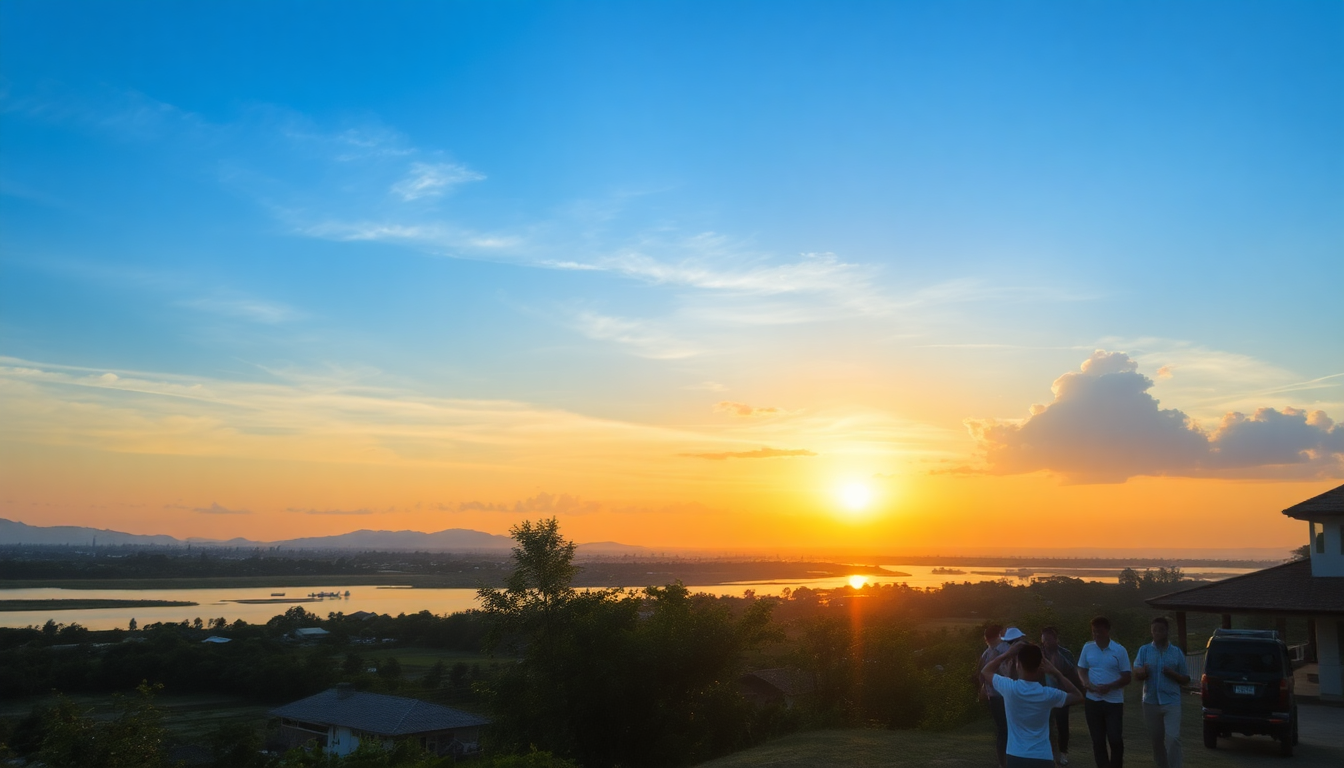
I’ve spent weeks crisscrossing the Mekong Delta, from the back alleys of Ho Chi Minh City down to the floating markets of Can Tho, and I’ll be honest—timing makes or breaks the trip. The Delta doesn’t do “shoulder season” the way Thailand does. It’s either dust-dry or flooded, fruit-laden or muddy, and the humidity can hit you like a wall. Here’s what I’ve learned about picking the right window.
When is the best time to visit the Mekong Delta for weather?
For the most comfortable days, aim for December through February. This is the dry season, but not the scorching one. Temperatures sit around 25-30°C (77-86°F), humidity drops, and you won’t get caught in afternoon downpours that turn dirt roads into soup.
- December to February: Coolest and driest. Perfect for cycling around Ben Tre or cruising the Cai Rang Floating Market without sweating through your shirt.
- March to May: Gets hotter, but still dry. By April it’s brutal—we hit 38°C near Vinh Long—and you’ll want AC on the boat.
- June to November: Wet season. Rains usually come in short bursts (2-4 PM), but flooding can cancel homestay access in places like Chau Doc.
I’d skip August-October unless you’re after the greenest rice paddies and don’t mind mud up to your ankles.
What is the best season for floating markets and river life?
Floating markets run year-round, but the experience changes drastically with water levels. Cai Rang near Can Tho is the big one, and I’ve seen it both ways.
- Dry season (Dec-May): Water is low, so boats cluster tighter. You can hop from sampan to sampan easily. The market starts at 5 AM and winds down by 9 AM—go early.
- Wet season (June-Nov): Water rises, sometimes flooding nearby homes. Markets spread out more, and you’ll see vendors selling from submerged stalls. It’s more chaotic but feels authentic.
- Best month: February. The water is high enough for big boats but clear, and the crowds are manageable.
We stayed at Hotel Ngoc Hien in Can Tho for early market access—nothing fancy, but the owner paddles you out at dawn for 20,000 VND.
When should I go for the best fruit and food?
If you love tropical fruit, plan around the harvests. The Delta grows half of Vietnam’s fruit, and timing matters.
- Durian season: June to August. Head to Cai Be or Vinh Long—the smell hits you a block away. I tried it at Cay Dua restaurant in Ben Tre; they serve it fresh with sticky rice.
- Rambutan and mangosteen: May to July. My Tho‘s orchards let you pick your own for 50,000 VND.
- Dragon fruit: Year-round, but peak is April-June around Long Xuyen.
- Mekong Delta specialties: Try bánh xèo (crispy pancakes) at Bánh Xèo Cô Ba in Can Tho, and hủ tiếu (noodle soup) at Quán Hủ Tiếu Mỹ Tho in My Tho—my go-to after a morning market trip.
Dry season fruit is sweeter (less water dilution), but wet season brings bigger harvests. I’d take May for the best balance.
How does the rainy season affect travel between Ho Chi Minh City and Can Tho?
Getting from Ho Chi Minh City (HCMC) to the Delta is straightforward, but rain changes the game. The main route is National Highway 1A or the expressway to My Tho, then down to Can Tho.
- Dry season: 3-4 hours by bus or car. We took Phương Trang bus from HCMC’s Mien Tay Bus Station—clean, AC, 120,000 VND. No delays.
- Wet season (Jun-Nov): Expect 5-7 hours. Flooding near Tien Giang province can close roads. In September, our bus sat for two hours near Cai Lay because water covered the highway.
- Best bet: Take the expressway (toll road) even if it costs a bit more—saves an hour in rain. Avoid driving yourself; I saw a motorbike swept off the road in Chau Doc during a July storm.
I always book a hotel with free cancellation in Can Tho during wet season—just in case.
What are the best months for cycling and outdoor activities?
Cycling through the Delta is my favorite way to see it, but heat and mud are real enemies.
- December-February: Ideal. We rented bikes from Mekong Rustic in Ben Tre for 100,000 VND/day and pedaled through coconut groves on paved paths. No rain, no sweat pools.
- March-May: Too hot by 10 AM. If you go, start at 6 AM and pack three liters of water. The Tra Vinh route along the Co Chien River has shade from bamboo groves.
- June-November: Muddy, but the rice paddies are electric green. Chau Doc to Sam Mountain is doable with a mountain bike—just expect to wash your gear afterward.
I’d skip August entirely for cycling; the trails near Vinh Long turned into swamps when I tried it.
When should I avoid the Mekong Delta due to crowds?
The Delta isn’t as tourist-crushed as HCMC, but it gets busy during Vietnamese holidays and Tet.
- Tet (Lunar New Year): Late January to mid-February. Everything shuts for 3-5 days. We got stuck in Can Tho with no buses, no fruit stalls, and a closed Cai Rang market. Fun for atmosphere, terrible for logistics.
- April 30 (Reunification Day): Crowds spike at My Tho and Ben Tre. Hotels in Can Tho double prices.
- Summer holidays (June-August): Vietnamese families flood the Delta. The Vinh Trang Pagoda in My Tho was packed when I went in July.
- Best low-crowd window: March and November. Weather is okay (hot or wet, respectively), but you’ll have the river to yourself.
I aim for late November—rains taper off, crowds haven’t arrived, and the fruit is still good.
FAQ
Is the Mekong Delta worth visiting in the rainy season? Yes, if you’re flexible. The landscape is lush, floating markets feel more raw, and hotels drop rates by 30-50%. But pack waterproof bags and expect canceled boat trips. I did a homestay in Chau Doc during October and loved the quiet—just don’t plan tight itineraries.
How many days do I need in the Mekong Delta? Three days is the sweet spot: Day 1 from HCMC to My Tho and Ben Tre, Day 2 in Can Tho for Cai Rang market and a fruit orchard, Day 3 back via Vinh Long or Chau Doc. We stretched to four for a cycling loop in Tra Vinh—worth it if you have time.
Can I do a day trip from Ho Chi Minh City to the Mekong Delta? Technically yes, but I wouldn’t. A day trip to My Tho takes 8-10 hours round-trip, and you’ll see only tourist-trap coconut candy factories. We did it once and regretted it—the real Delta starts past Ben Tre. Overnight in Can Tho is non-negotiable.
Conclusion
- Best overall window: December to February—dry, cool, and all markets running.
- For fruit lovers: May to July hits rambutan, mangosteen, and durian peak.
- For budget travelers: November or March offer lower prices and fewer crowds.
- Avoid: Tet (late Jan-Feb) for closures, and August-October for flooding.
- Plan around: Cai Rang Floating Market at dawn, cycling in Ben Tre, and a homestay in Chau Doc for the real Delta rhythm.